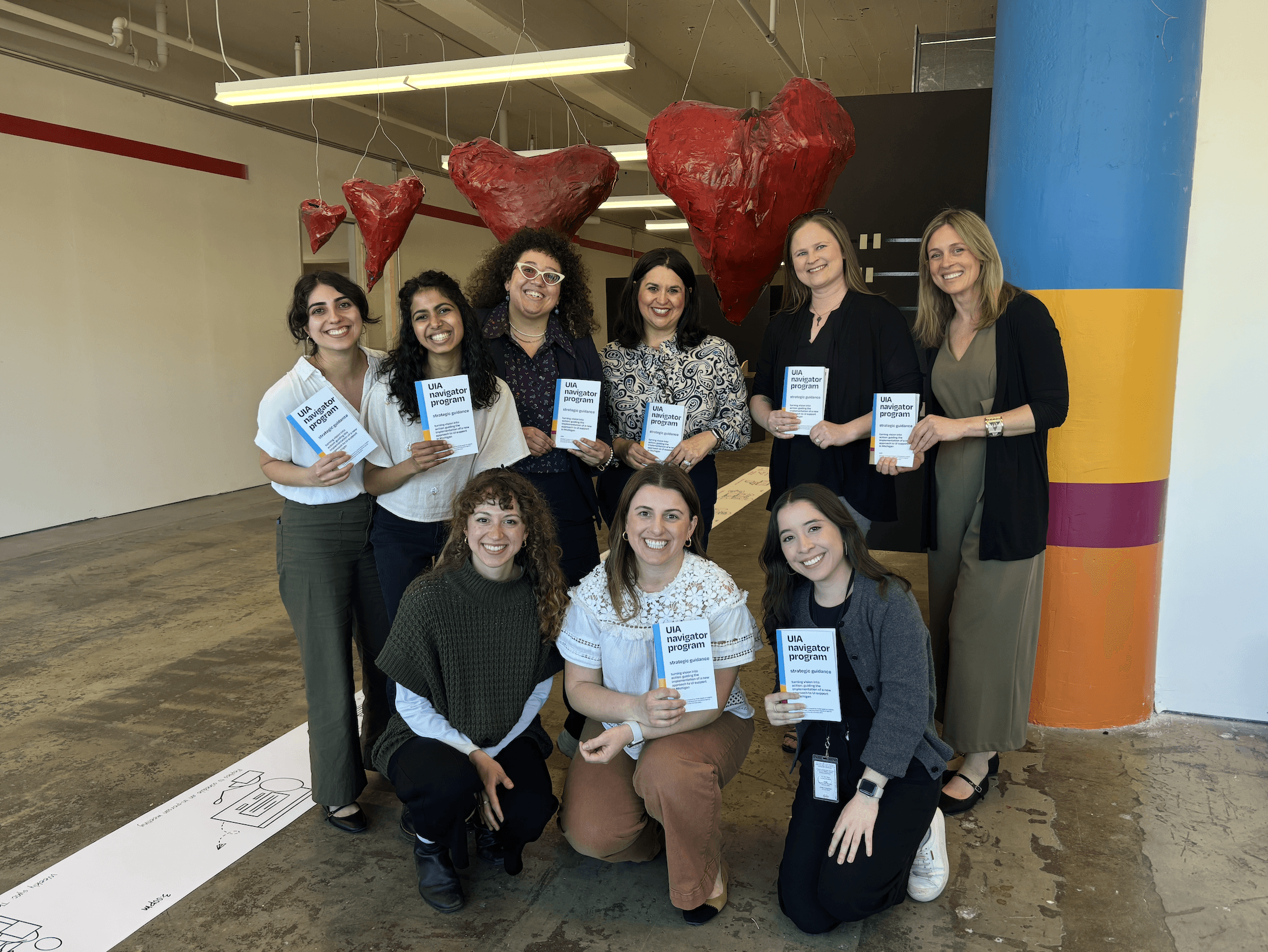
Designing a Better Support System for Unemployment
Designing a Better Support System for Unemployment
Civilla
Michigan Unemployment Insurance Agency
December 2024 - May 2025
Design Lead, Research, Service Design & Strategy
What if the people already helping residents navigate unemployment were better connected to the agency behind it?
Define how UIA could work with community organizations to give residents more consistent, trusted unemployment support.
Research Strategy · Service Design · Co-Design · Systems Thinking · Program Strategy · Implementation Planning
3 partner levels → 1 statewide service model → phased implementation plan
People were already getting help. The experience depended on where they went.
The problem wasn't a lack of support. It was the system around it.
We needed to understand what support already existed before designing something new.
The strategy left the room as a plan for action.
A future state only matters if the system behind it can deliver it.
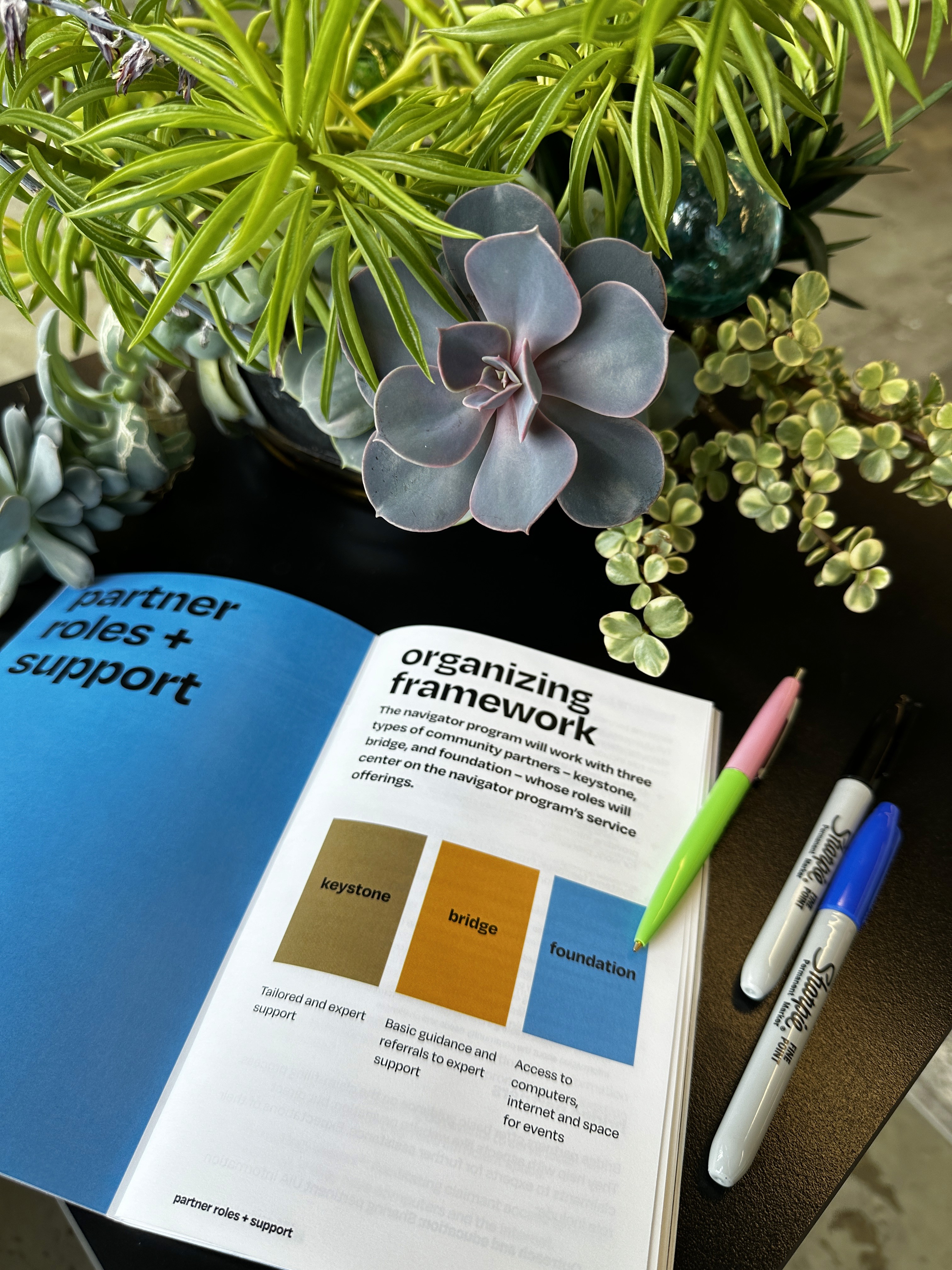
Across Michigan, community organizations were already helping people understand unemployment, troubleshoot claims, and get unstuck. I led research, service design, and strategy to help UIA turn that informal network into a model for a statewide Community Navigator Program.
Losing a job is stressful enough. Then you're expected to understand eligibility rules, identity verification, online accounts, paperwork, deadlines, and unfamiliar government language.
So people turn to organizations they already trust.
Libraries, workforce organizations, nonprofits, and advocacy groups across Michigan were already helping residents access unemployment services. But their roles, expertise, and relationships with UIA varied widely.
A claimant might find someone who could help resolve a complicated issue, or someone who could only point them back to the website.
The support network already existed. It just wasn't designed as a network.

A Navigator Program couldn't only work for claimants. It also had to work for the community organizations delivering support and the UIA staff responsible for maintaining those relationships.
That created three connected needs:
Claimants needed somewhere they trusted to get help.
Community partners needed training, clear boundaries, and someone to call when they couldn't solve a problem.
UIA needed a program it could realistically staff, manage, and sustain statewide.
Improving one part meant understanding what the other two needed to make it possible.
We researched how community organizations were already helping claimants, where they felt confident, where they got stuck, and what happened when a problem went beyond their expertise. One finding changed how we framed the entire project.
We started by asking: How do we give community organizations better information?
Research pushed us toward a different question: How do we create a better relationship between UIA and the organizations already helping claimants?
Partners didn't simply need another toolkit. They needed clear roles, different levels of training and support, and a reliable path back to UIA when someone had a problem they couldn't solve.
We weren't designing better resources anymore. We were designing a partnership.

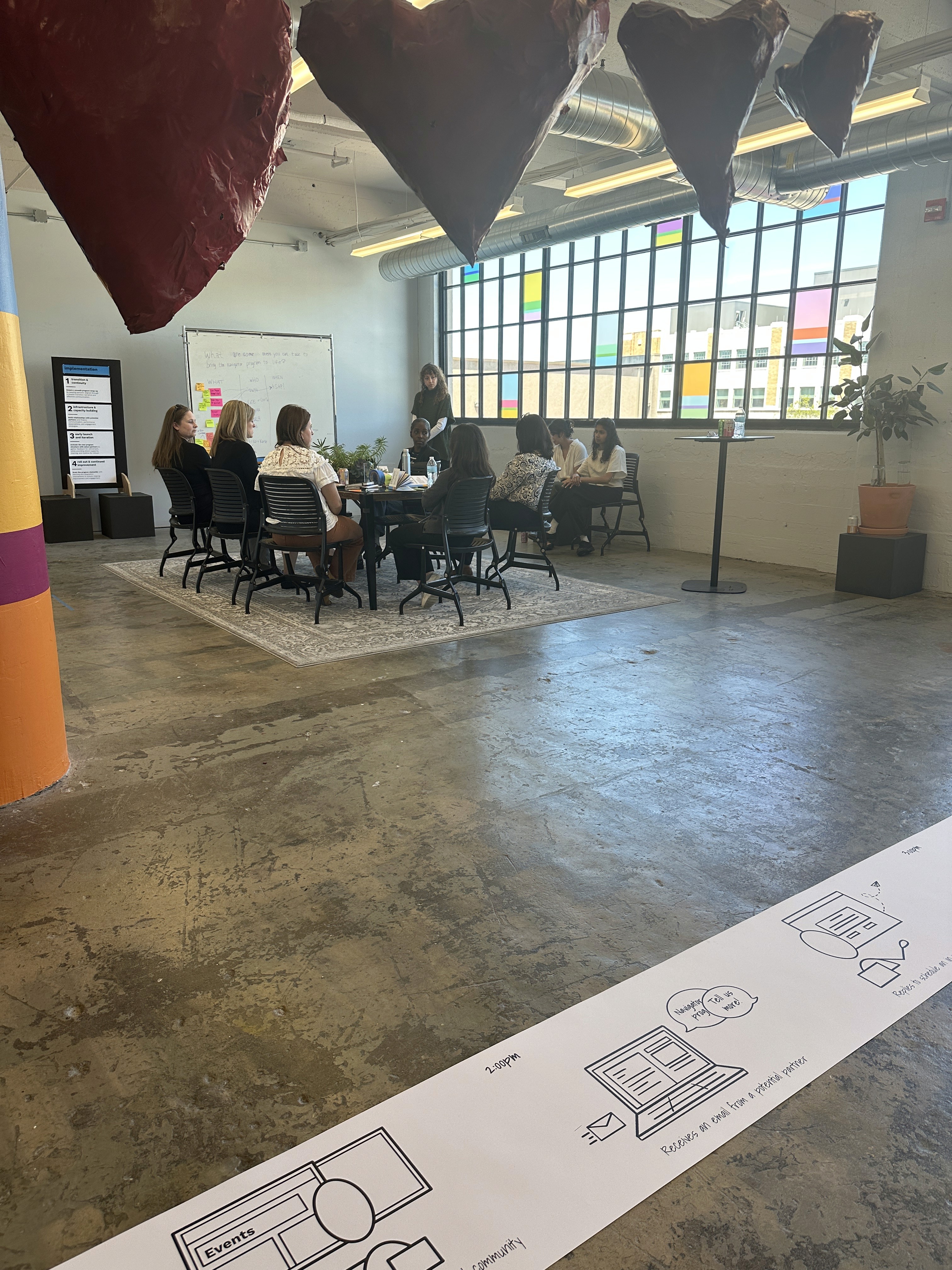
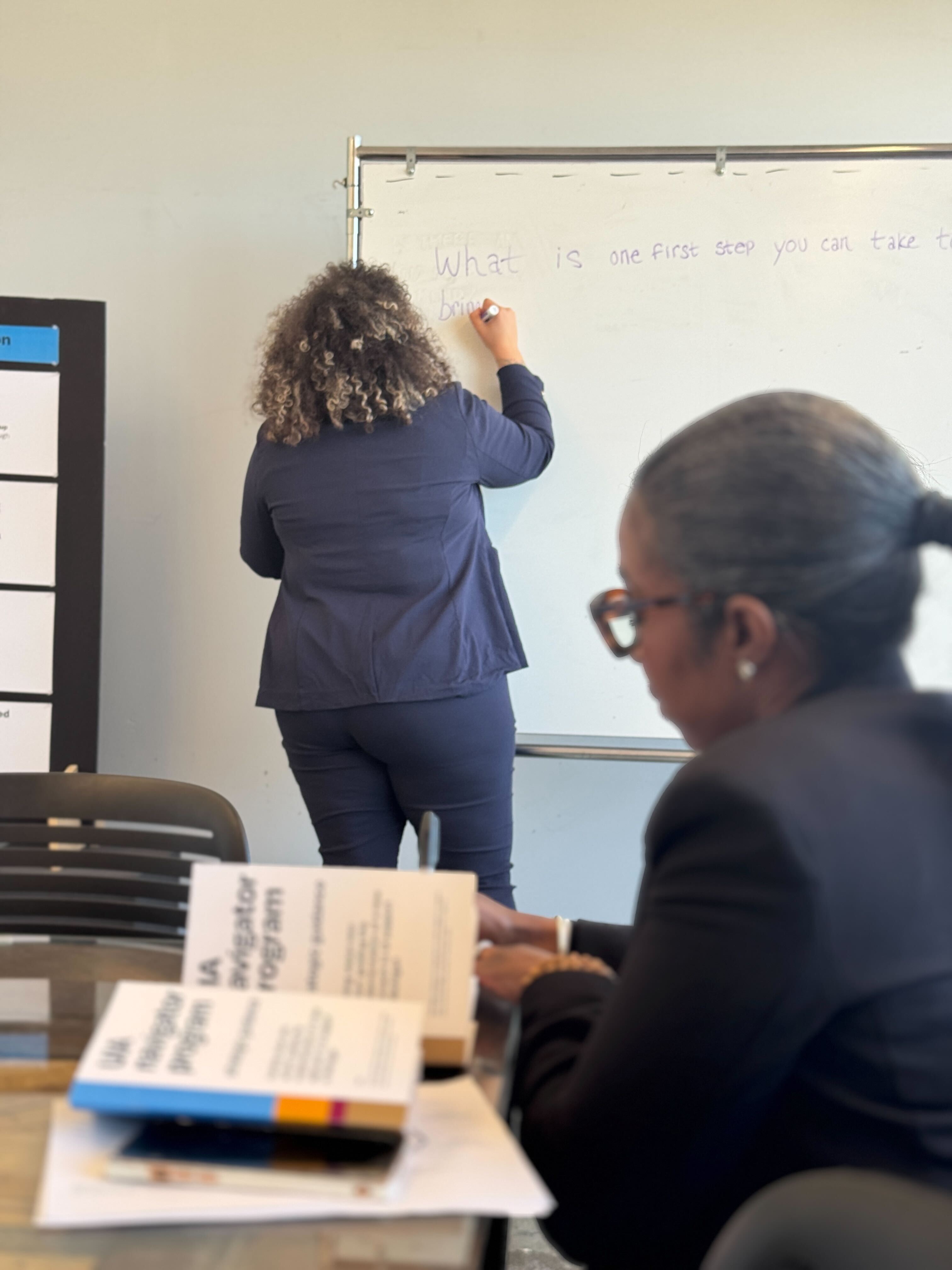
We closed the project with a Design Review with six UIA executive leaders and subject matter experts, walking them through the future-state Navigator Program we had developed together over the previous months.
Rather than presenting a single finished concept, we showed how the pieces connected: the partner model, future-state experience, staffing and governance, implementation phases, and the decisions required to move the program forward.
The future state was well received, and the conversation shifted quickly from “Is this the right direction?” to “What do we need to do next?”
We ended the session with a prioritized backlog of activities, with executive and SME owners identified for work that could begin immediately. Even without the original funding, UIA left with shared alignment around the longer-term vision and concrete steps they could take with the capacity they had.
Project Navigate changed how I think about future-state design.
It's easy to create an ideal experience. The harder question is what has to be true behind the scenes for people to experience it consistently.
A community partner being able to tell someone, “I know who to call at UIA,” sounds simple. Making that promise reliably requires training, staffing, governance, communication, escalation processes, measurement, funding, and relationships someone has to maintain.
The funding shift reinforced another lesson: A good future state gives you direction without requiring the future to cooperate.
The vision needs to be clear enough to align people, but flexible enough to survive changes in funding, policy, leadership, and capacity.
That's what ultimately made Project Navigate useful.