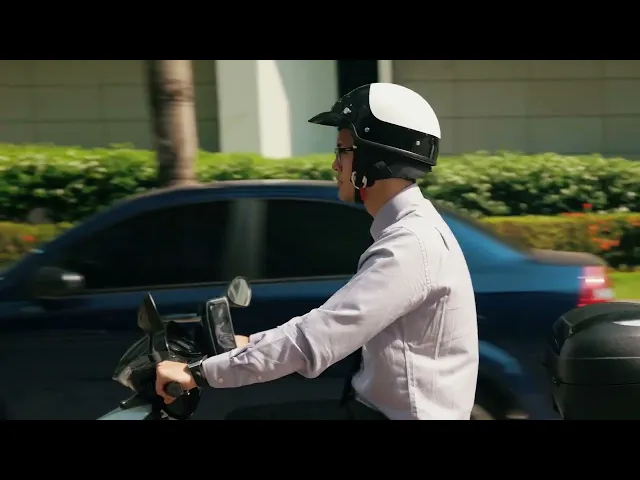
Preventing Crashes Using Data From 15M Vehicles
Preventing Crashes Using Data From 15M Vehicles
General Motors
Utah Department of Transportation
March 2020 - July 2021
UX Design + UI Design
Could connected vehicles tell us where a road was dangerous before someone crashed?
Turn connected-vehicle data into something transportation professionals could use to make better safety decisions.
Research Strategy · Product Strategy · UX/UI · Prototyping · Testing
2 beta products → nationwide roadway safety platform
Road safety decisions were looking backward.
There was a lot of possibility, and very little definition.
What we needed to learn
The experiment became something bigger.
The lesson wasn't “test earlier.” It was knowing what you're testing.
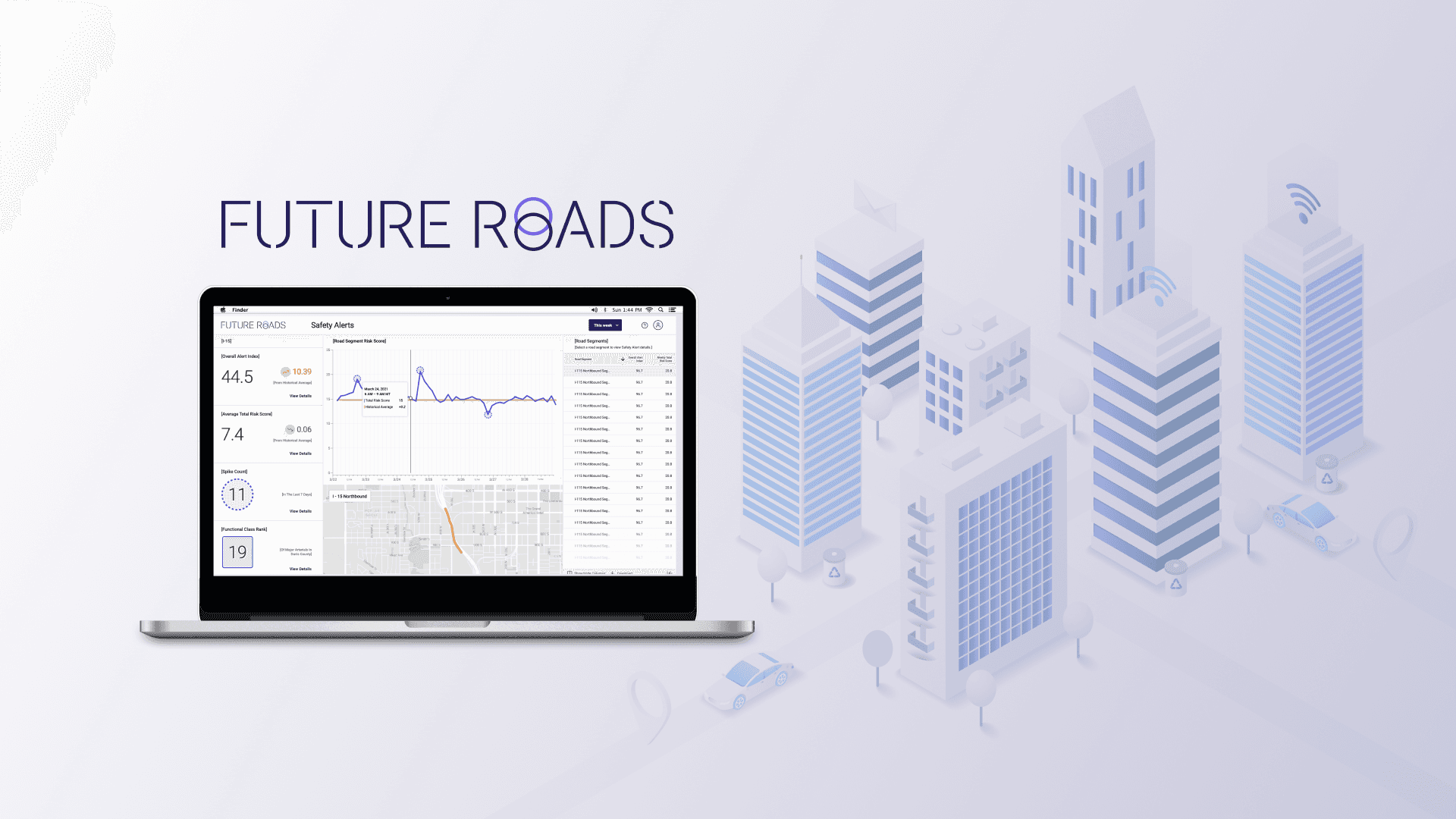
I helped turn an emerging source of connected-vehicle data into a new kind of roadway safety product, moving between research, product strategy, interaction design, prototyping, and testing from early exploration through beta.
Transportation agencies make high-stakes decisions about which roads need attention and where infrastructure dollars should go. But much of the available safety data described what had already happened, often after a crash occurred.
GM had access to something different: signals generated by connected vehicles.
Speed. Hard braking. Traffic patterns. Road conditions. Signals capturing what vehicles were experiencing in real time.
That created an interesting possibility:
Could we use what vehicles were already experiencing to help transportation agencies understand risk before another crash made it obvious?
But having the data didn't mean we knew what to build with it. The opportunity was still largely undefined.
Future Roads began as an R&D exploration, not a predefined product.
We were working at the intersection of connected-vehicle technology, massive datasets, transportation systems, government agencies, and an emerging smart-city landscape.
There wasn't a single workflow to improve or an existing product to redesign. We first had to understand the system around the opportunity and determine where connected-vehicle data could create meaningful value.
That gave us three big questions:
What could the technology tell us?
Where could it add something existing tools couldn't?
Who would actually use it, and what decisions could it help them make?

Before we could decide what to build, we needed to understand where connected-vehicle data could actually create value.
Our early discovery looked at the problem from three angles: what the technology could make possible, what already existed in the transportation ecosystem, and how different transportation professionals actually made roadway safety decisions.
I supported the broader discovery effort and focused most closely on translating what we learned about users into opportunities we could design and test.

Future Roads moved beyond its original innovation work.
Two beta products contributed to the platform that eventually became GM Future Roads Safety View, launched nationally through GM's partnership with INRIX.
The later platform brought together connected-vehicle and roadway information to help transportation agencies identify hazardous roadway segments, prioritize safety investments, evaluate Vision Zero initiatives, and support funding decisions.

Going high fidelity early wasn't inherently wrong.
Going high fidelity before we knew which questions required it was.
That's a distinction I carry into my work now.
I choose research methods based on the uncertainty we're trying to reduce. Sometimes that means a realistic prototype and a 60-minute moderated session. Sometimes it means putting a rough concept in front of people tomorrow. And during beta, I'd now create more opportunities for lightweight, unmoderated testing so smaller questions don't have to wait for a major research cycle.
Future Roads also changed how I think about complex products.
Giving someone access to more information isn't the same as helping them make a better decision.
Sometimes the most important design decision isn't figuring out how someone can explore the data.
It's recognizing that they shouldn't have to know where to look in the first place.
