
Organization
Civilla
Client
Michigan Unemployment Insurance Agency (UIA)
Overview
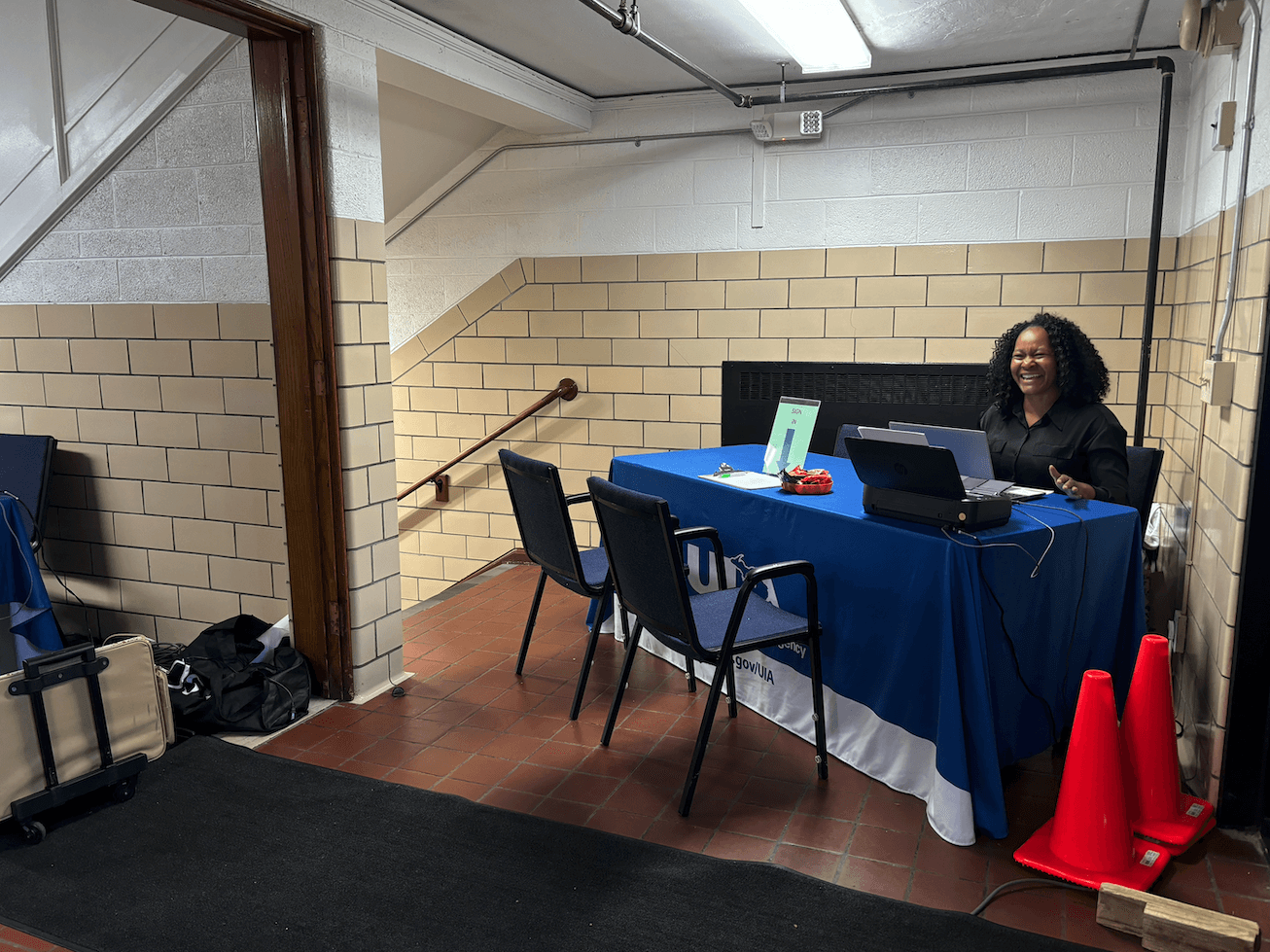
Project Navigate looked at new ways for the Michigan Unemployment Insurance Agency (UIA) to work with community organizations so residents could more easily get unemployment benefits. By doing research, co-design, and planning, we created a practical plan for a statewide Navigator Program that gives community partners more tools and helps more people get support.
Challenge
Getting unemployment benefits can be confusing and stressful. Many community organizations already helped people, but their roles were different, which caused uneven experiences and some gaps in service. UIA needed a clear plan to make these partnerships stronger and more effective.
My role
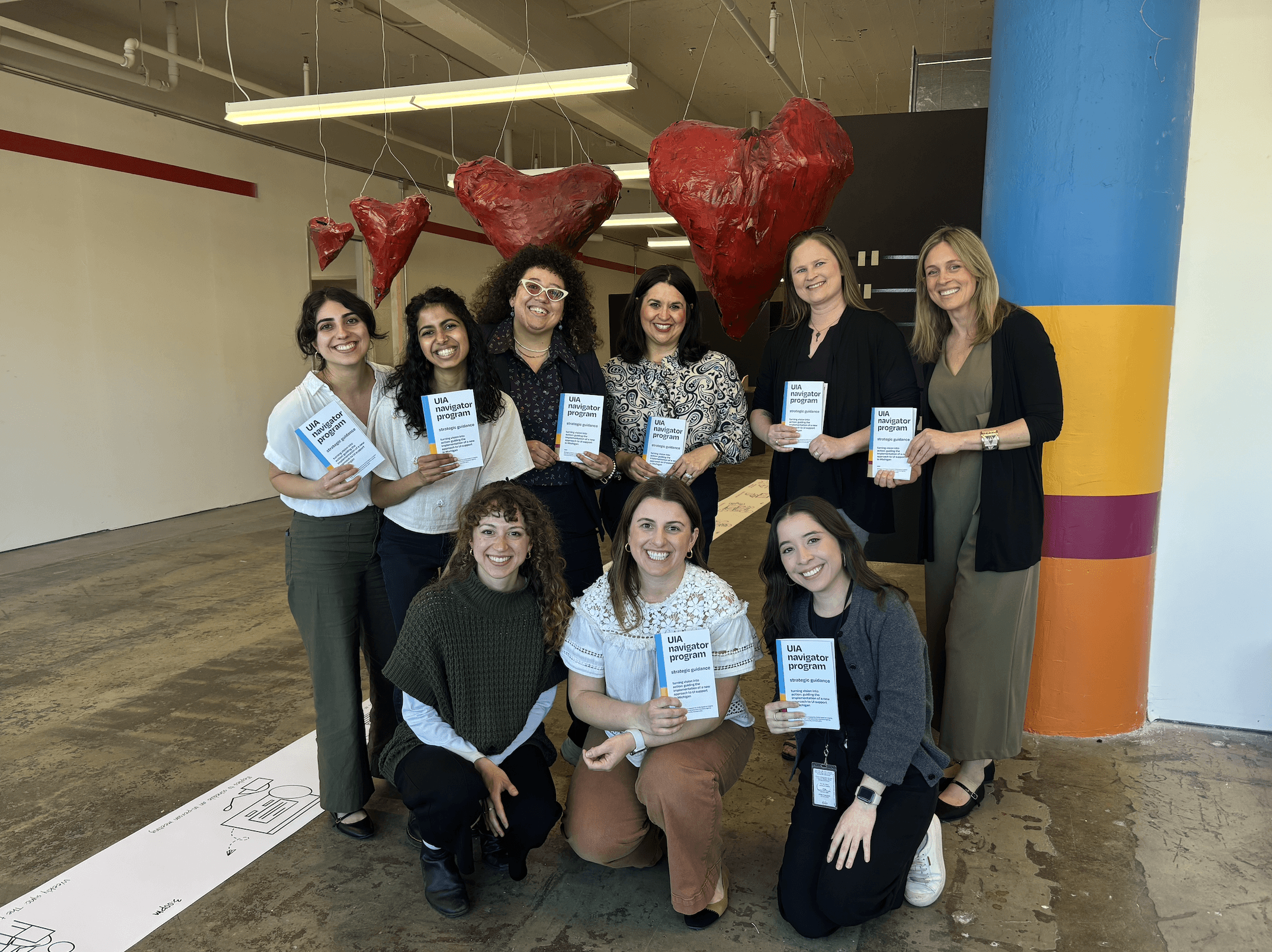
As the Design Lead, I led the project from the research stage all the way through to strategy and final delivery.
Key Contributions
Led qualitative research and synthesis across both project phases.
Mentored and managed a multidisciplinary design team.
Facilitated weekly co-design sessions with UIA leadership.
Translated research insights into actionable recommendations.
Developed a future-state journey map and strategic guidance.
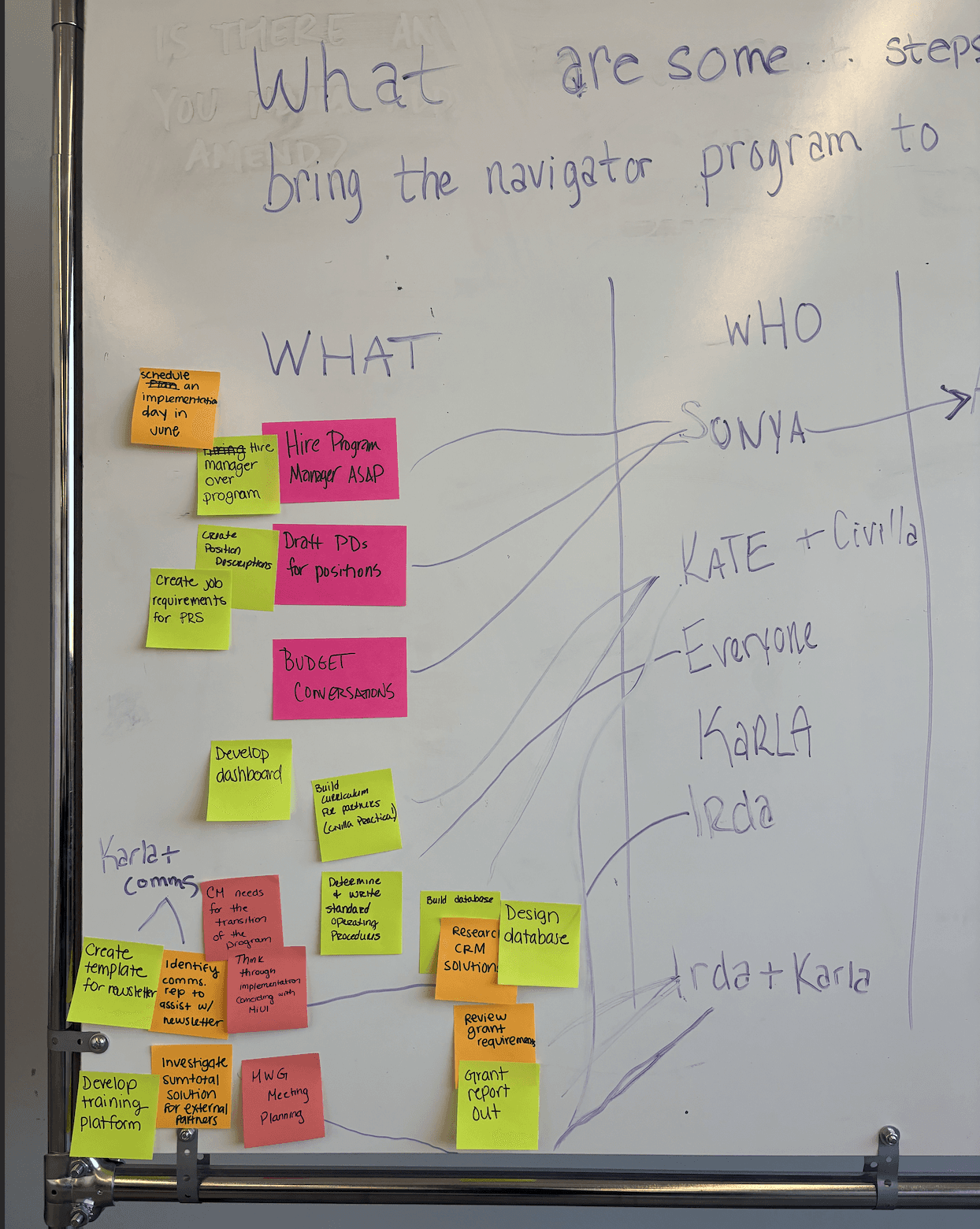
Defined an implementation roadmap and governance model.
Approach
Discovery & Research (Phase 1)
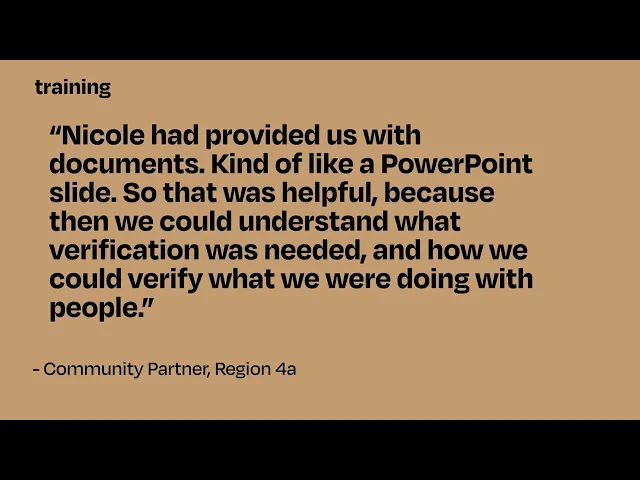
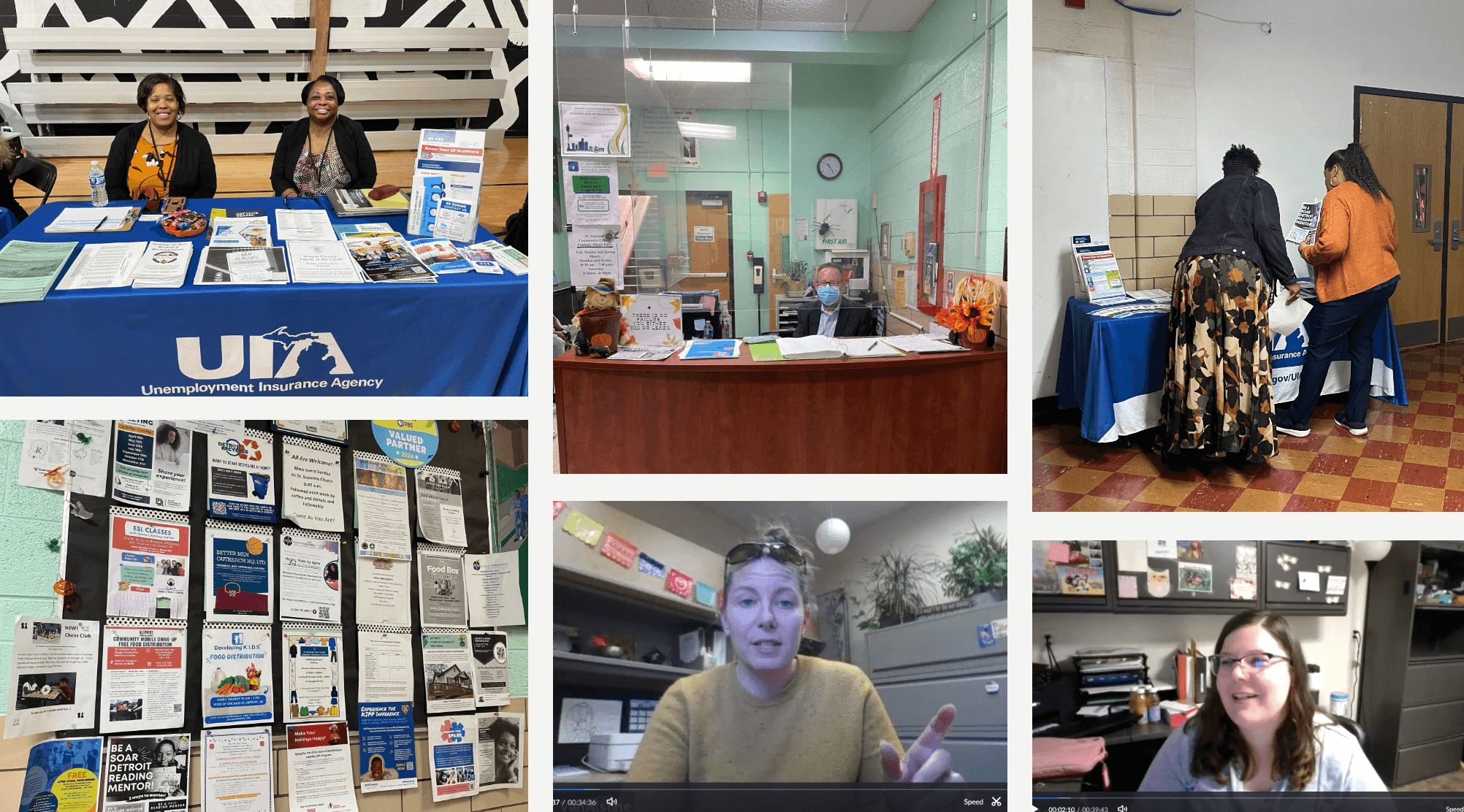
We used different research methods to learn what community partners and UIA staff needed. We found that partners needed better training, clearer roles, and easier ways to get help from UIA experts.
Co-Design & Prioritization (Phase 2)
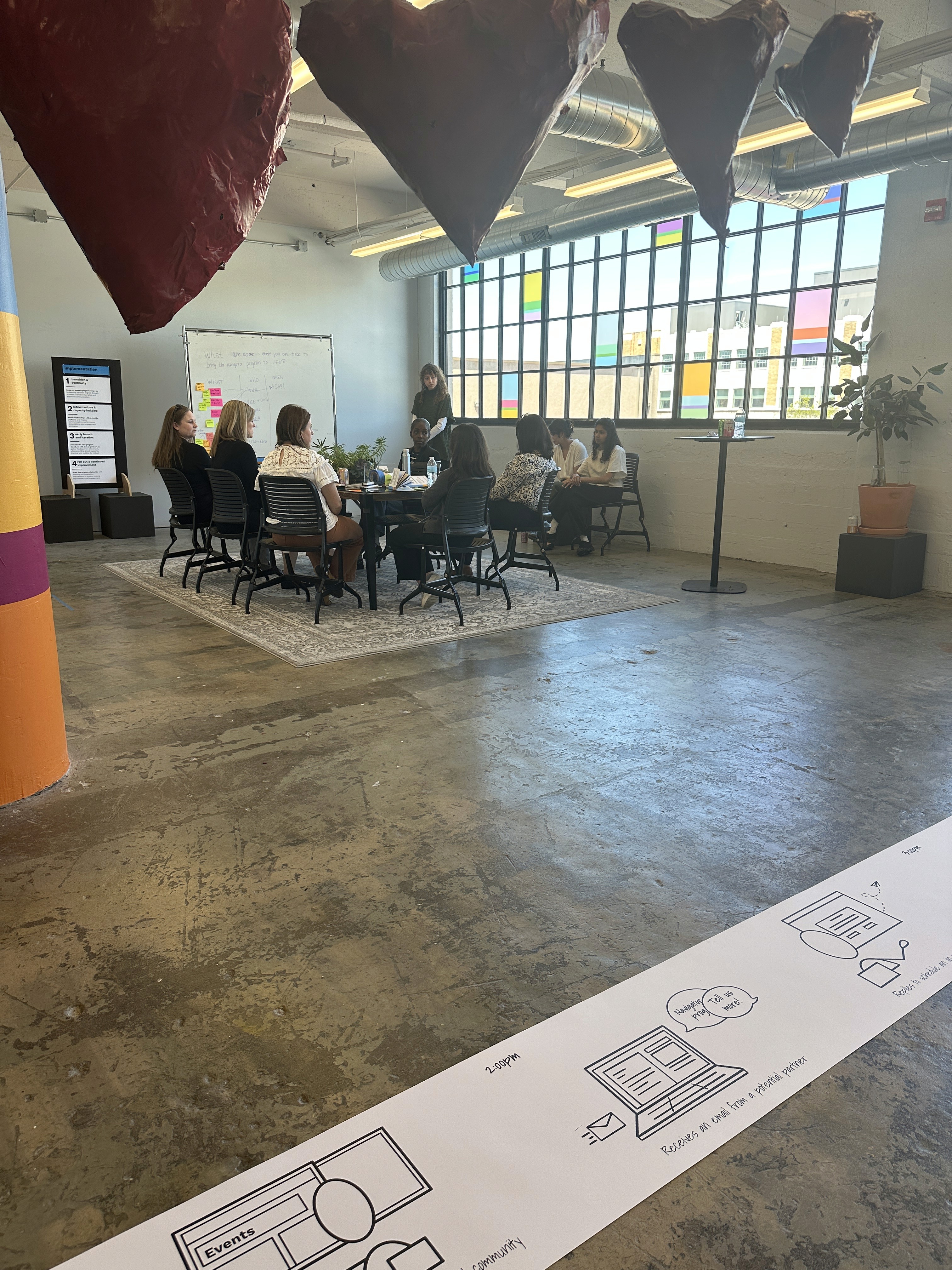
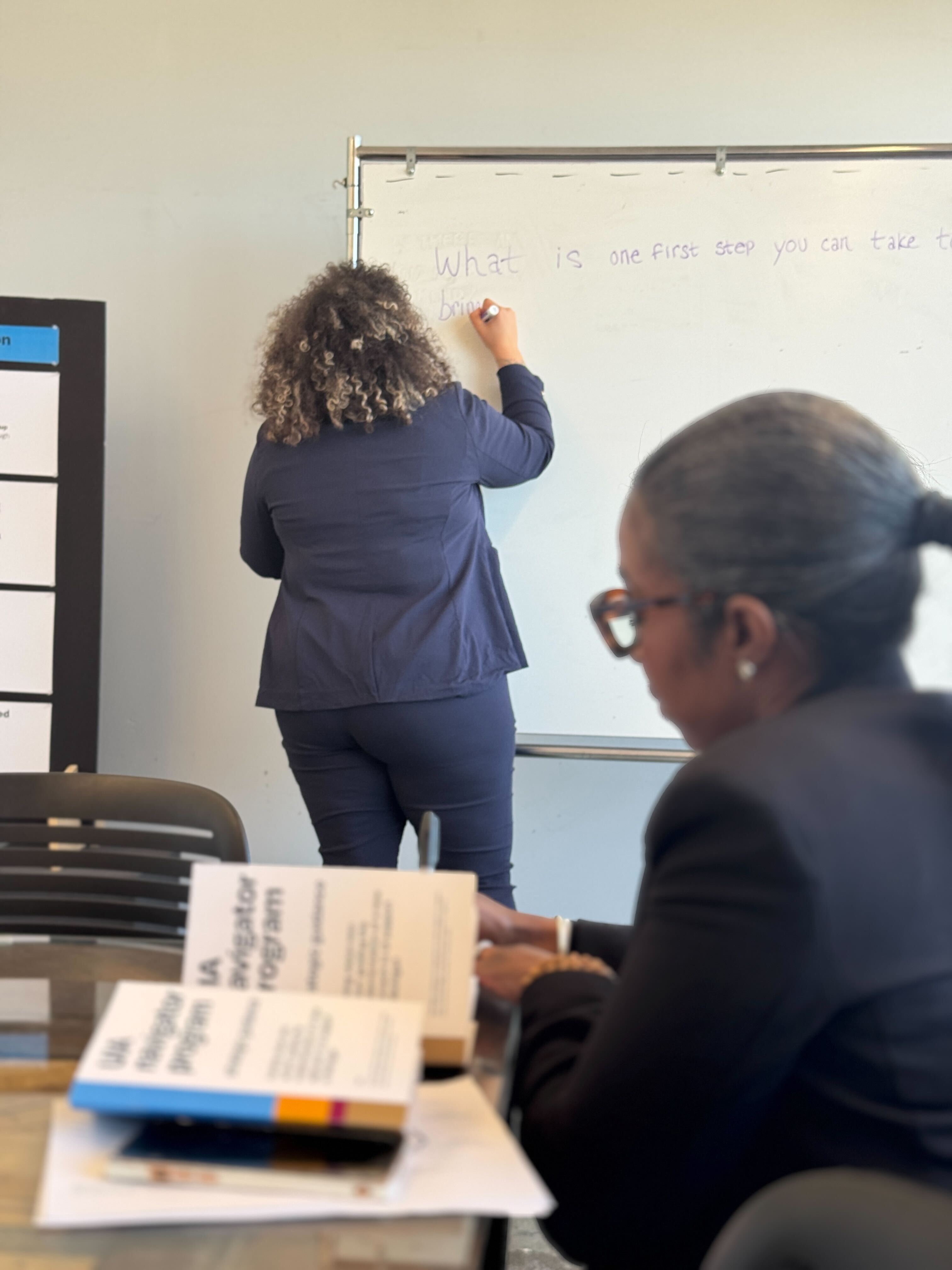
We worked closely with UIA leaders in a series of workshops to plan the program’s future. We did activities such as:
Co-design sessions to envision the future-state experience.
Prioritization exercises to align service offerings with program goals.
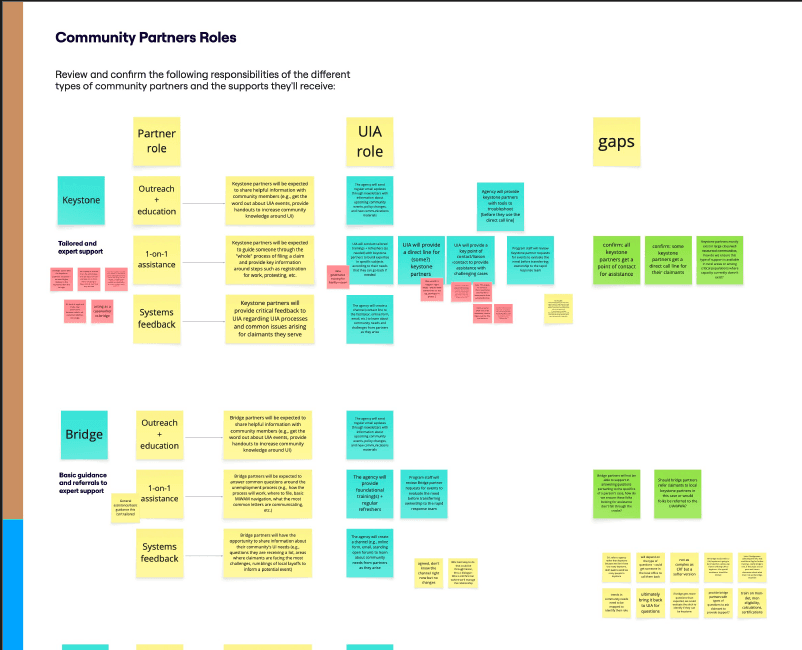
Card sorting to validate partner types and responsibilities.
SWOT and future-forecast activities to assess risks and opportunities.
By the end of these workshops, everyone agreed on a clear vision and structure for the program. The group discussions helped us define navigator roles, services, and ways to recruit partners.
Strategic Guidance & Future-State Design
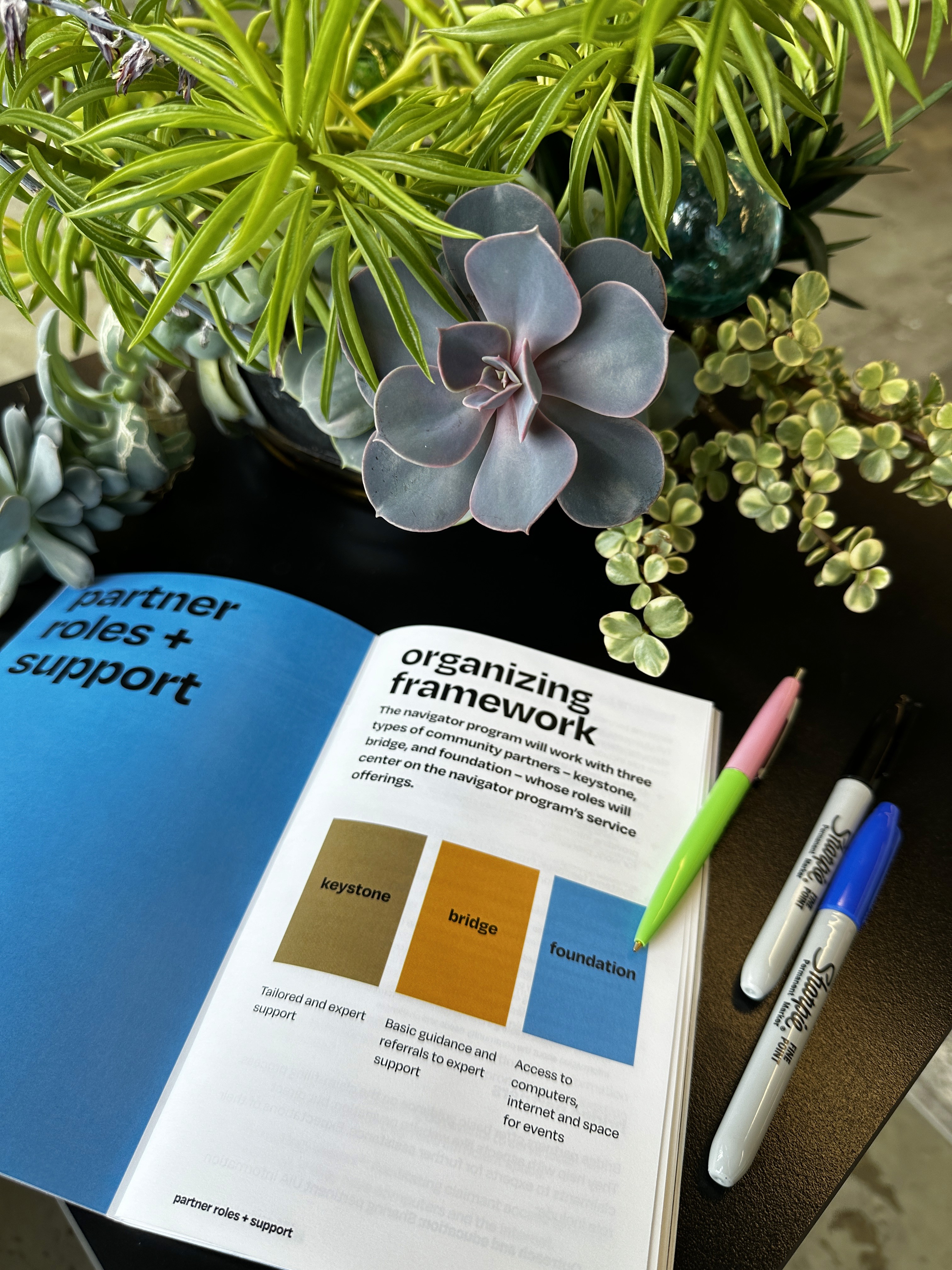
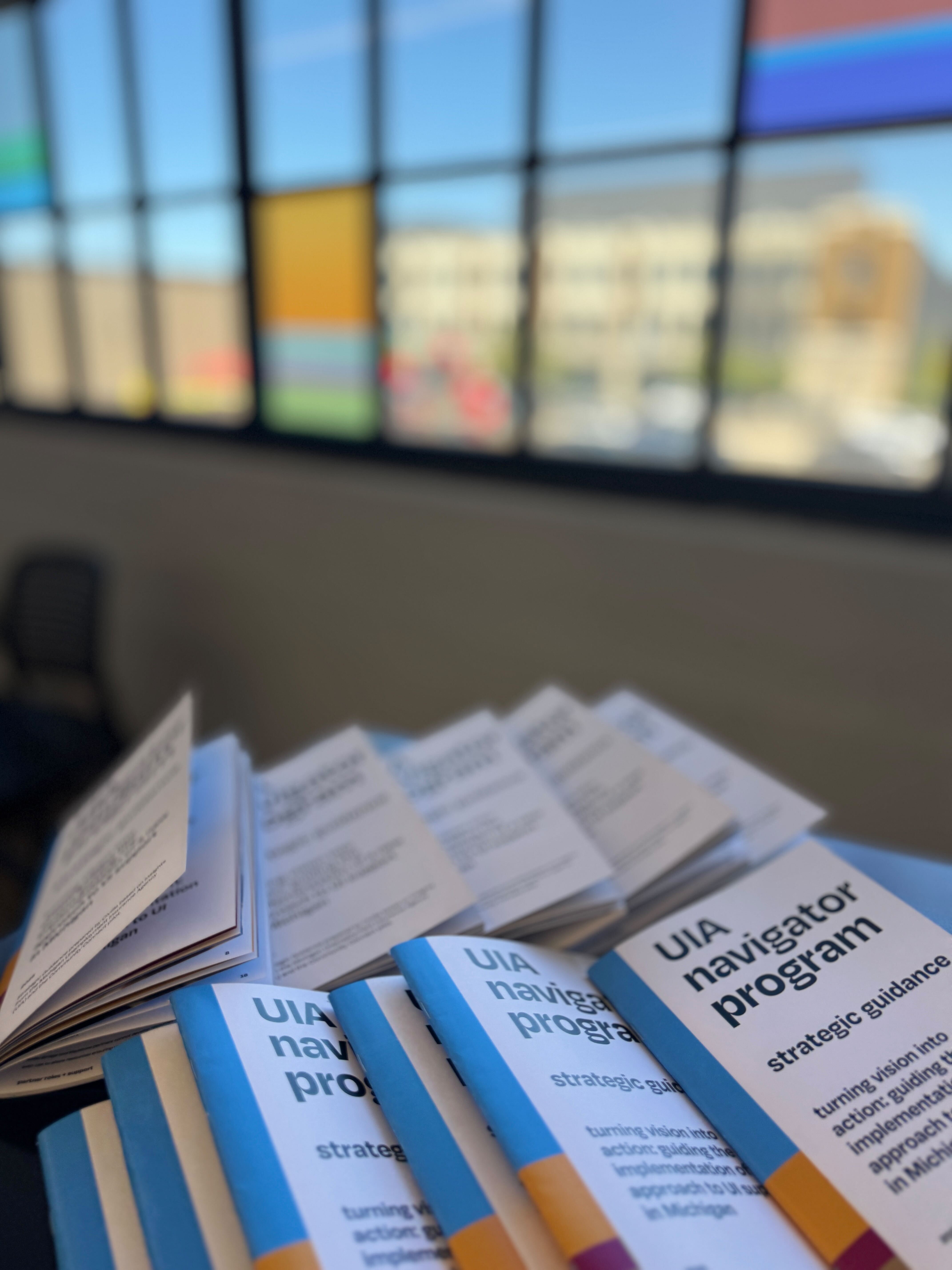
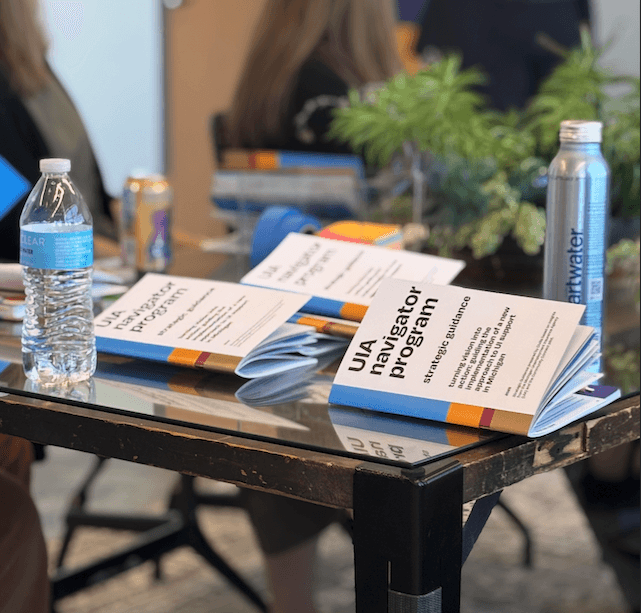
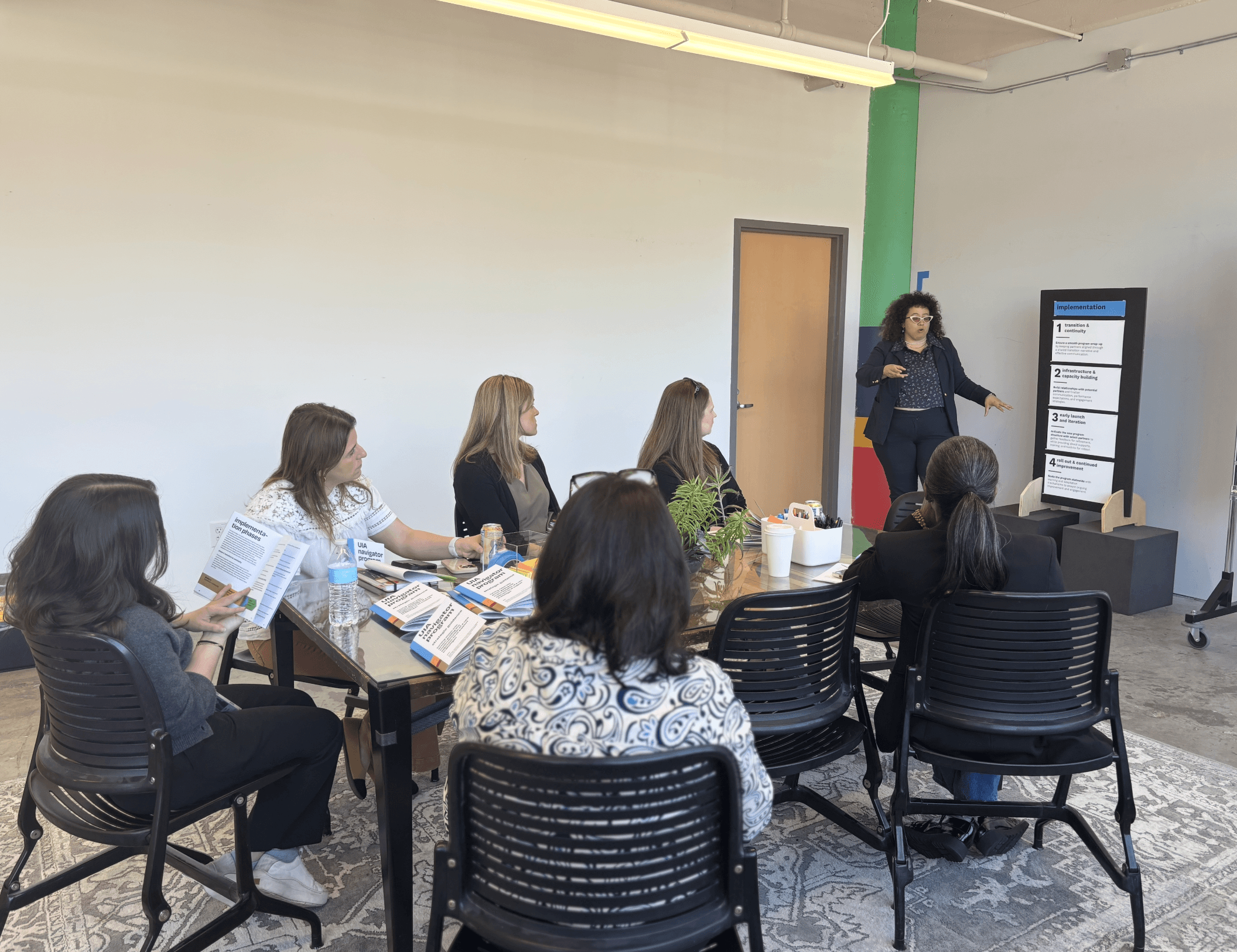
Using what we learned from research, we created a detailed Strategic Guidance document that explained the program’s structure, how it would be managed, and steps for putting it into action.
Outcomes
Tiered partner framework
We built a flexible model that groups community partners by how much experience and support they can offer:
what they do | examples of support | |
Foundation | Provide access to space and technology. | Hosting events, offering internet access |
Bridge | Offer basic guidance and referrals. | Navigating the UI system, answering common questions |
Keystone | Deliver expert, end-to-end assistance. | Claim filing, complex case support |
This model helped UIA customize training, resources, and communication for each type of partner.
Future-state journey map
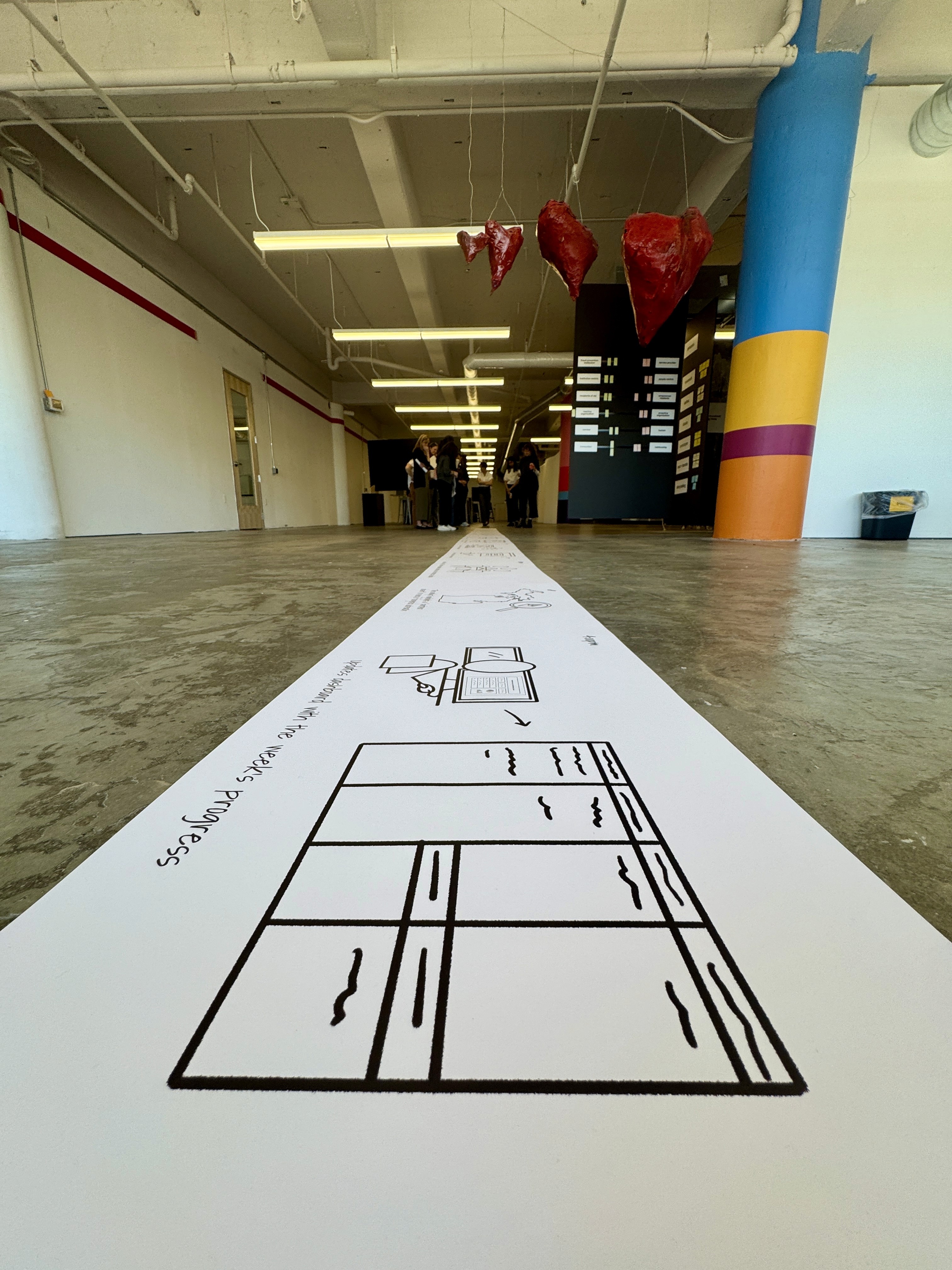
To show how the Navigator Program would work, we made a journey map that lays out the full experience for community partners and claimants. The map shows important steps like onboarding, training, support channels, and working with UIA over time.
Strategic recommendations
Establishing a formal Navigator Program within UIA.
Implementing tiered and ongoing partner training.
Creating a dedicated advocacy and support channel.
Developing governance and staffing structures.
Introducing metrics for continuous program evaluation.
Identifying opportunities for future initiatives and partnerships.
Impact
Organizational impact
Established a shared vision for a statewide Navigator Program.
Provided UIA with a clear implementation and governance roadmap.
Strengthened alignment between UIA leadership and community partners.
Enabled data-driven decision-making for future program development.
Community Impact
Expanded equitable access to unemployment support.
Increased the capacity of trusted community organizations.
Reduced barriers for historically underserved populations.
Design impact
Demonstrated how service design can guide policy and systems transformation.
Created reusable frameworks and tools for future initiatives.