Organization
Civilla
Client
Michigan Department of State
Background
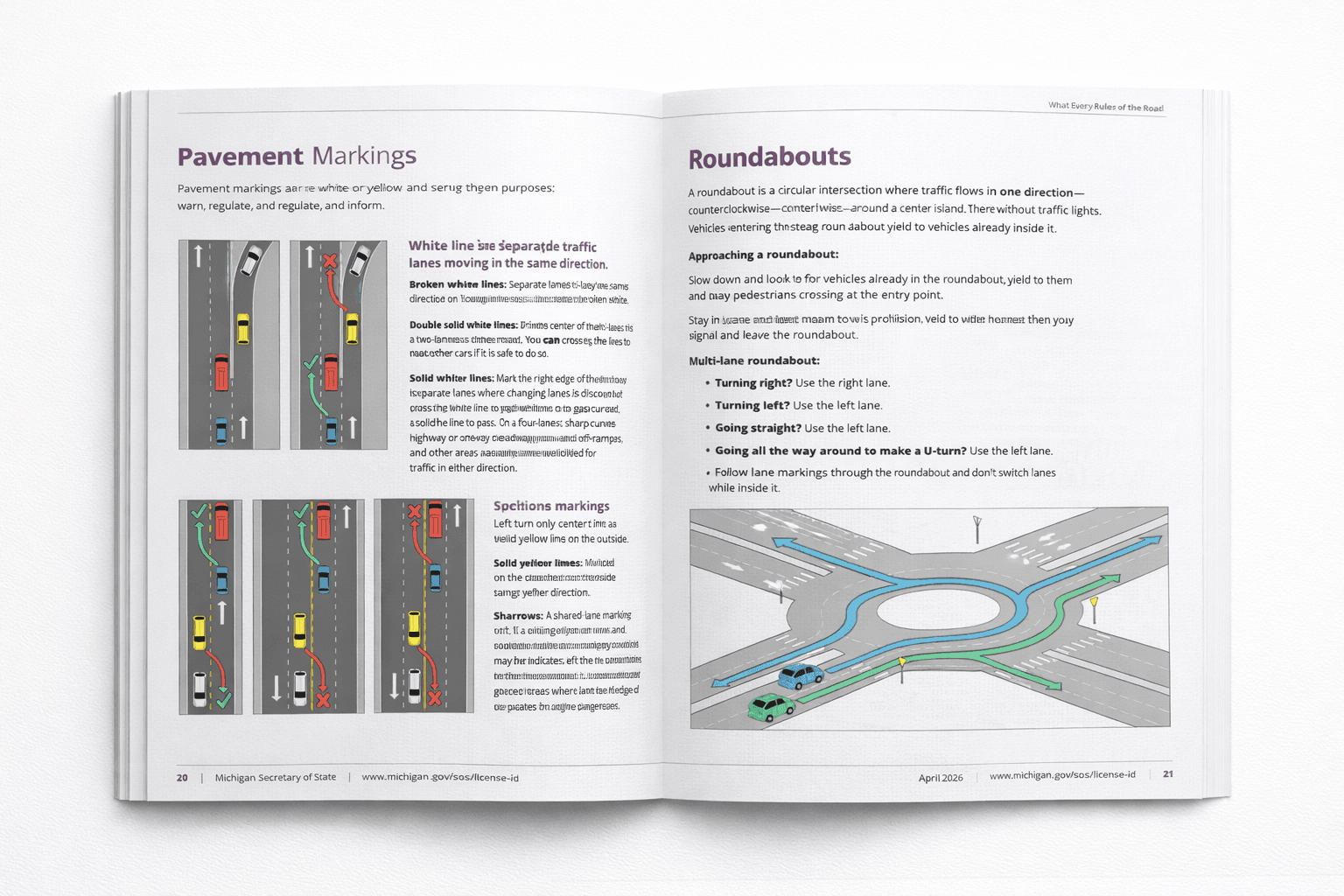
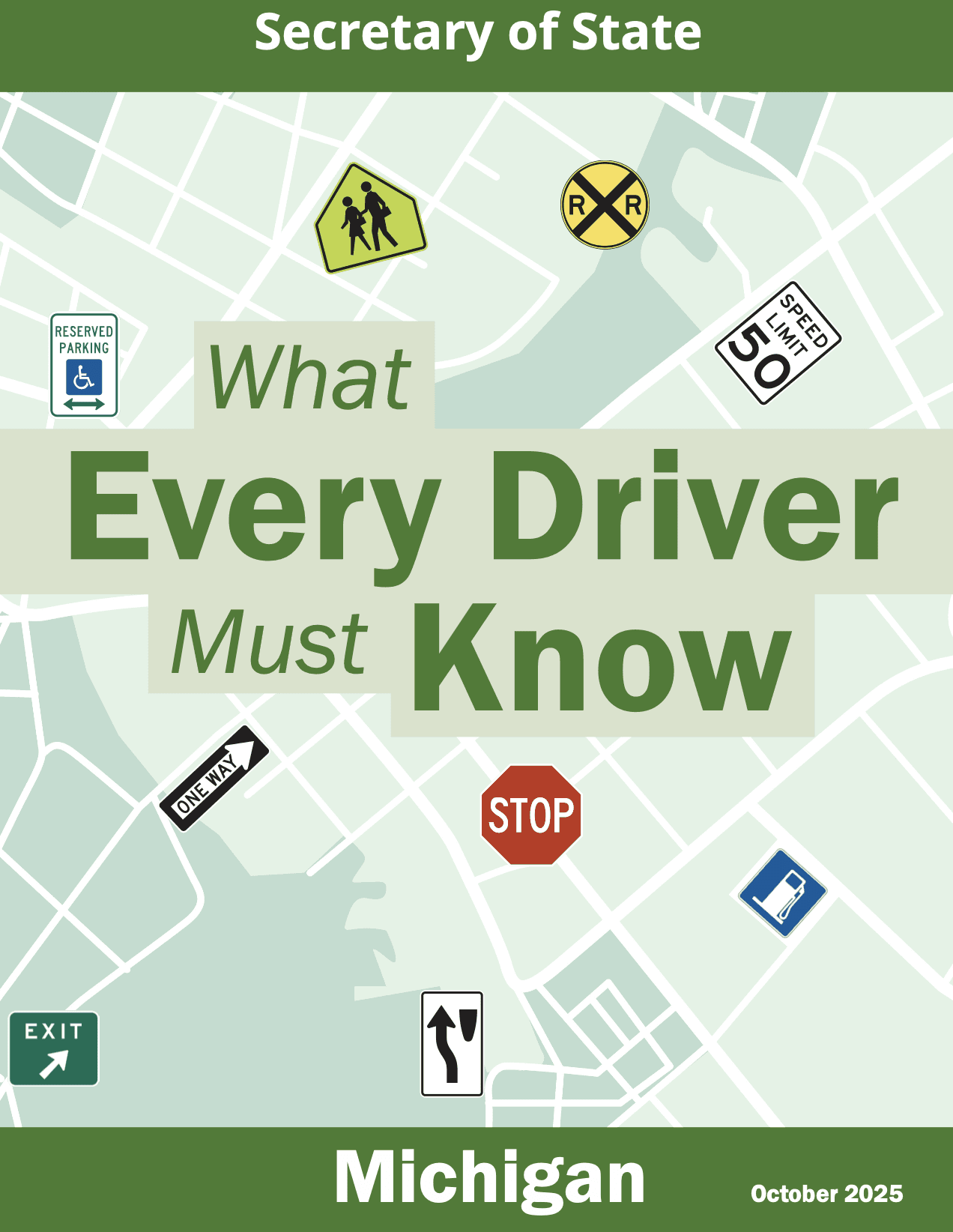
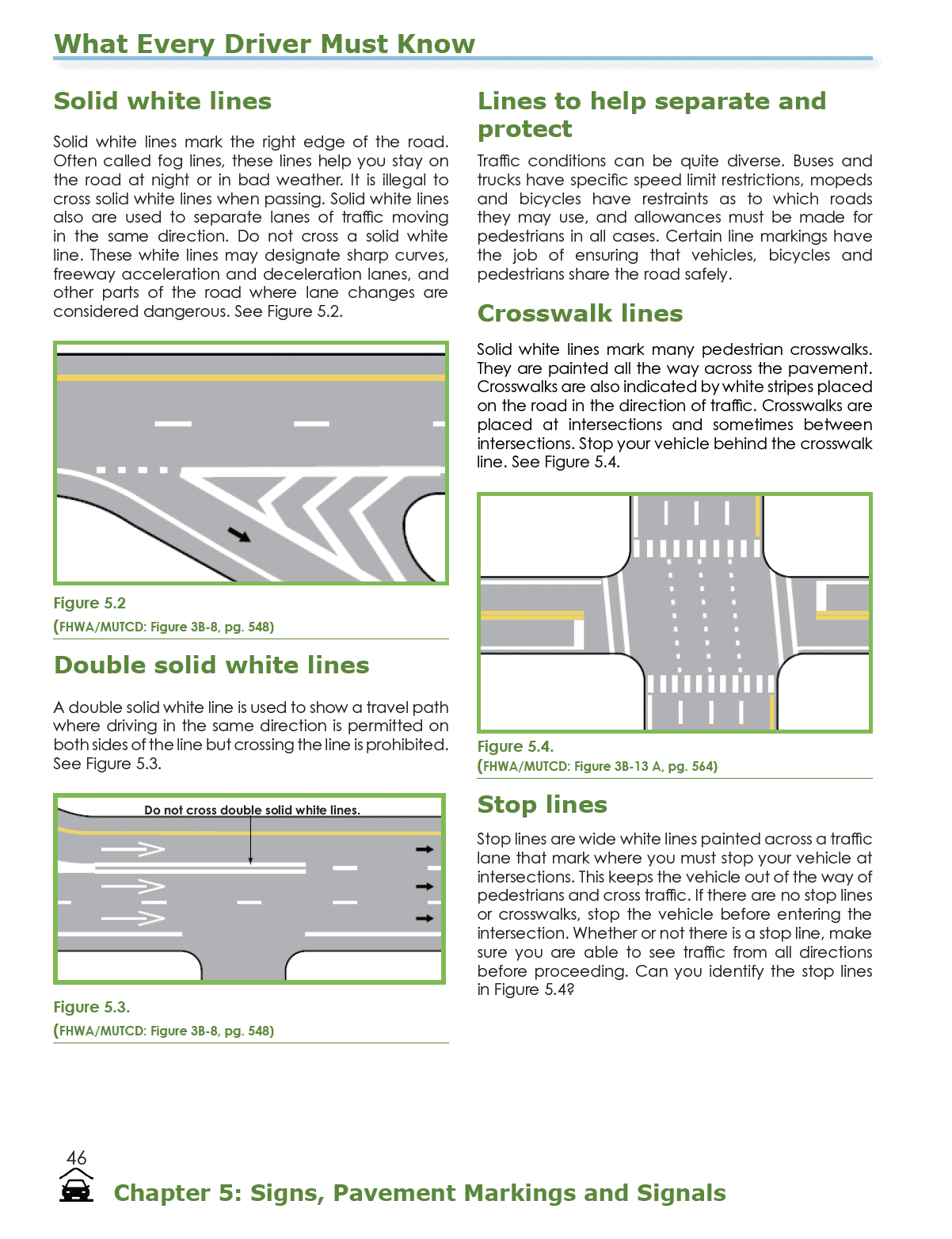
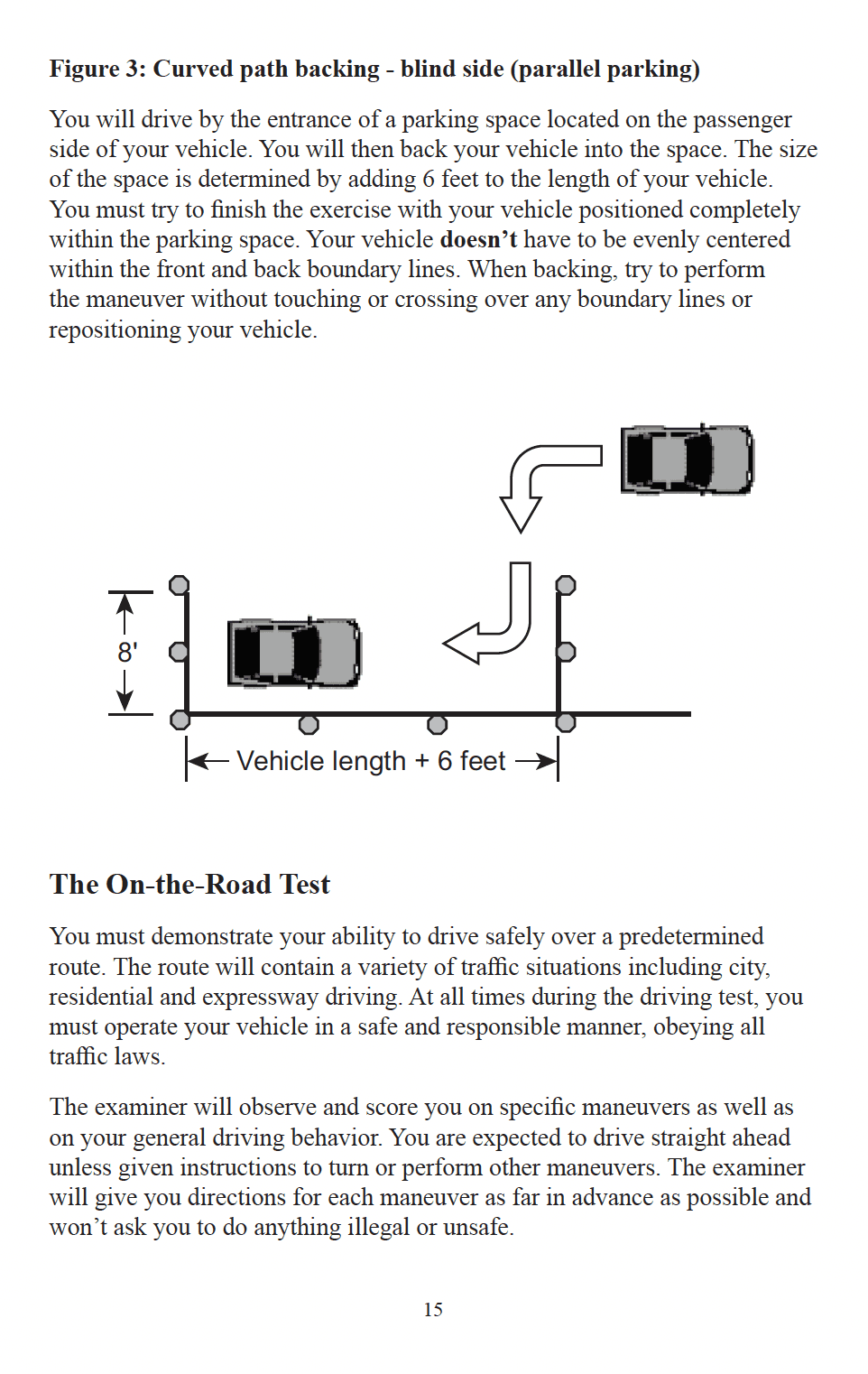
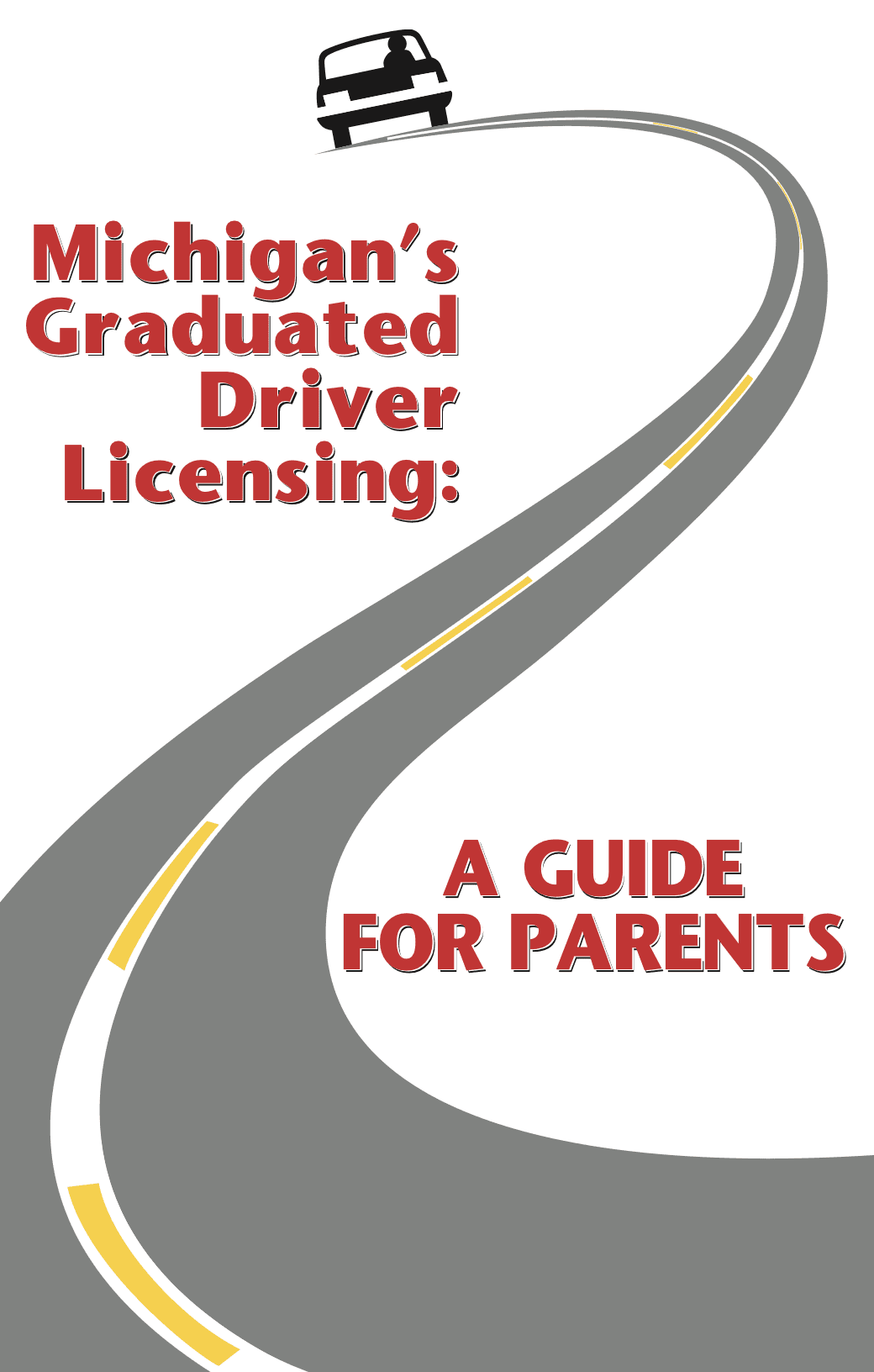
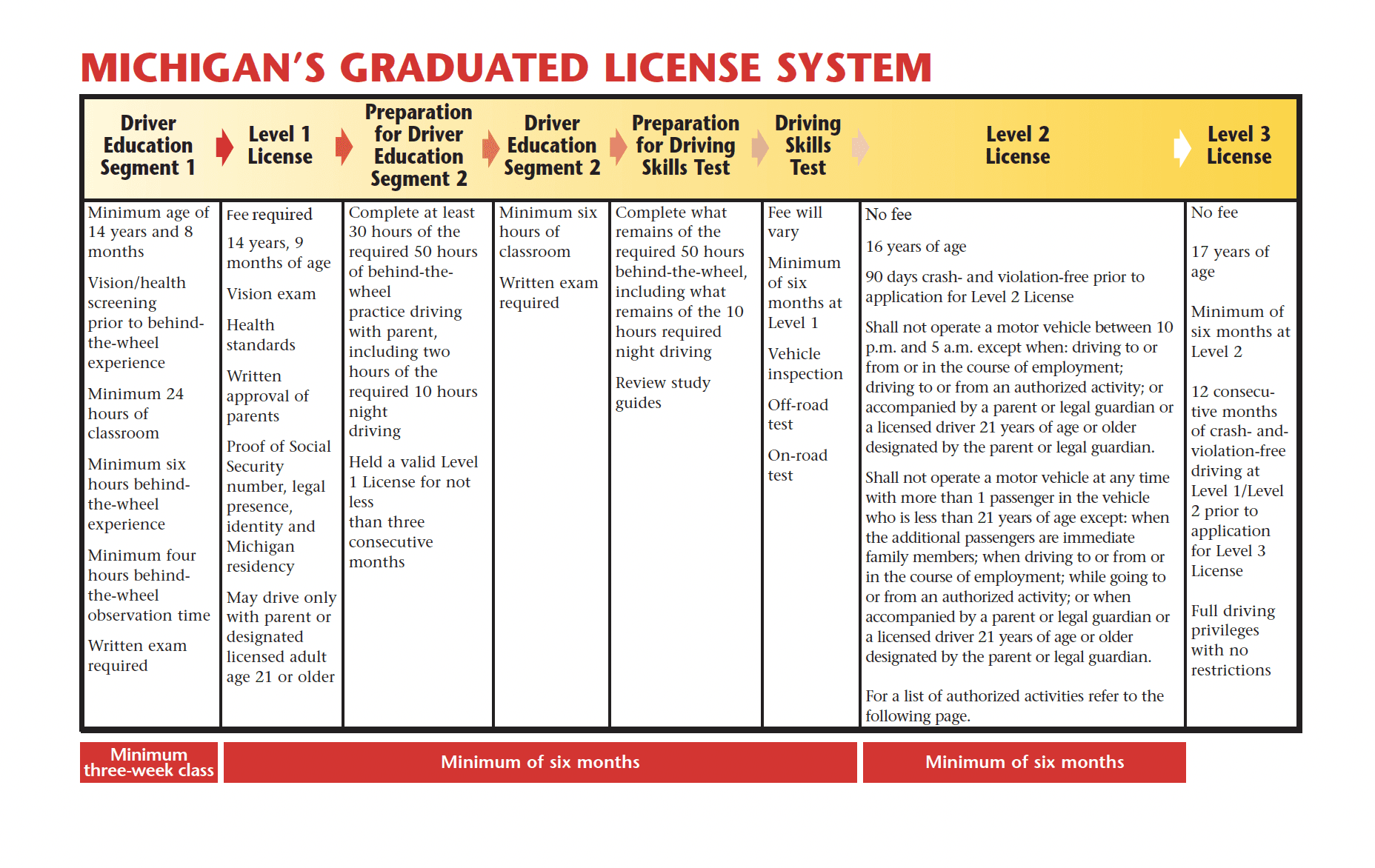
Michigan residents used three different driver education publications: What Every Driver Must Know, Driving Skills Test Study Guide, and the GDL Guide for Parents. Combined, these were over 150 pages long and did not have a clear structure, which made it hard for users to know which information was most important.
Because there was no clear governance process, the materials changed on their own over time. This led to repeated information, inconsistencies, and outdated content. We saw a chance to create a single, accessible learning experience that would help Michiganders drive safely and with confidence.
61%
reduction in content
2x
better understanding
60%
faster to find key driving info
My role
As the Design Lead, I managed the project from the discovery phase through planning for implementation. I balanced direct research work with providing strategic direction.
Key Responsibilities
Led the research and design strategy across all phases.
Managed and mentored two designer-researchers and two contractors.
Facilitated weekly core team meetings with MDOS leadership.
Directed content strategy and information architecture for the unified publication.
Synthesized research into actionable insights and design directives.
Co-developed a governance framework and statewide implementation roadmap.
Content Audit: Building a Shared Baseline
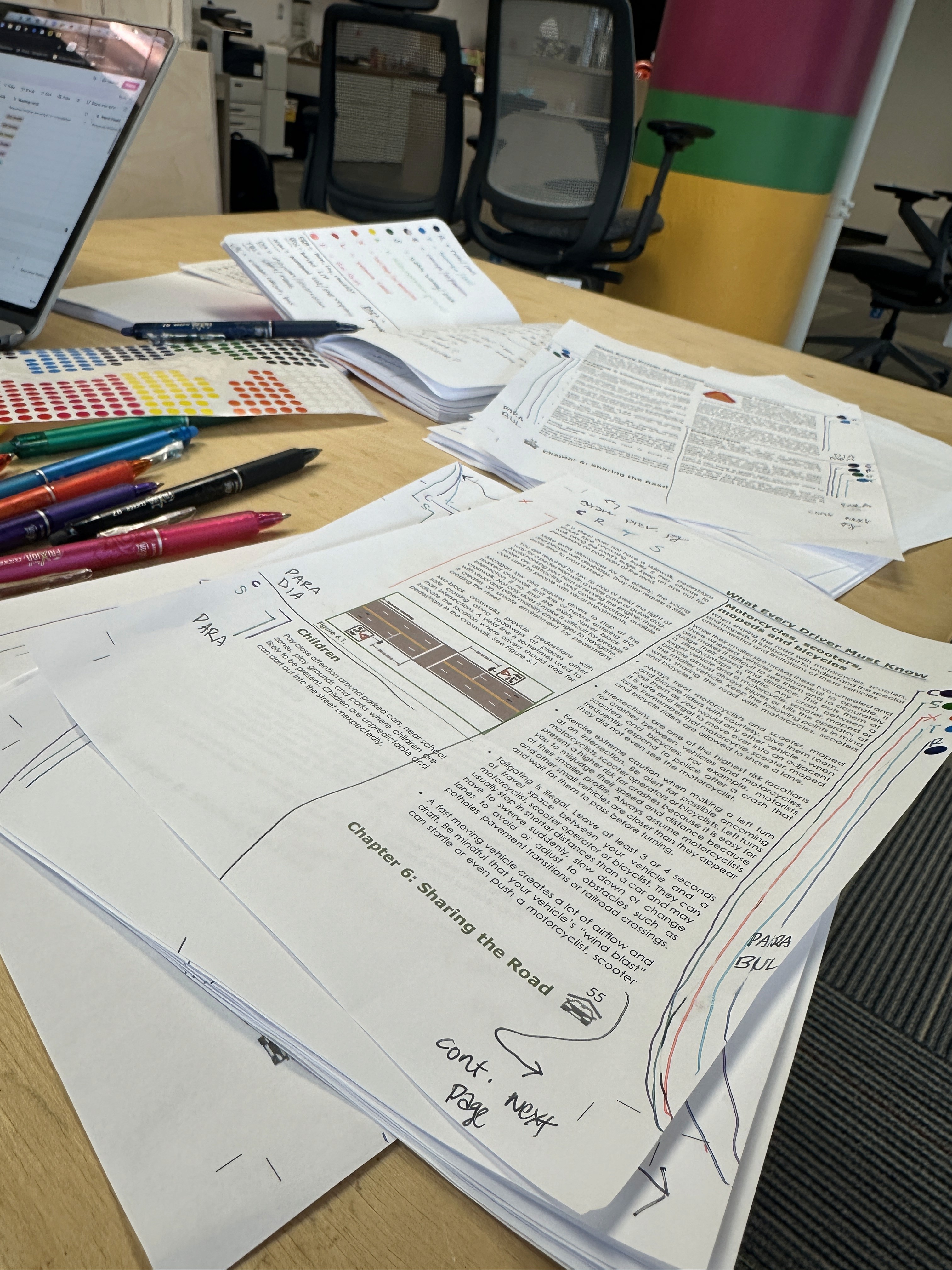
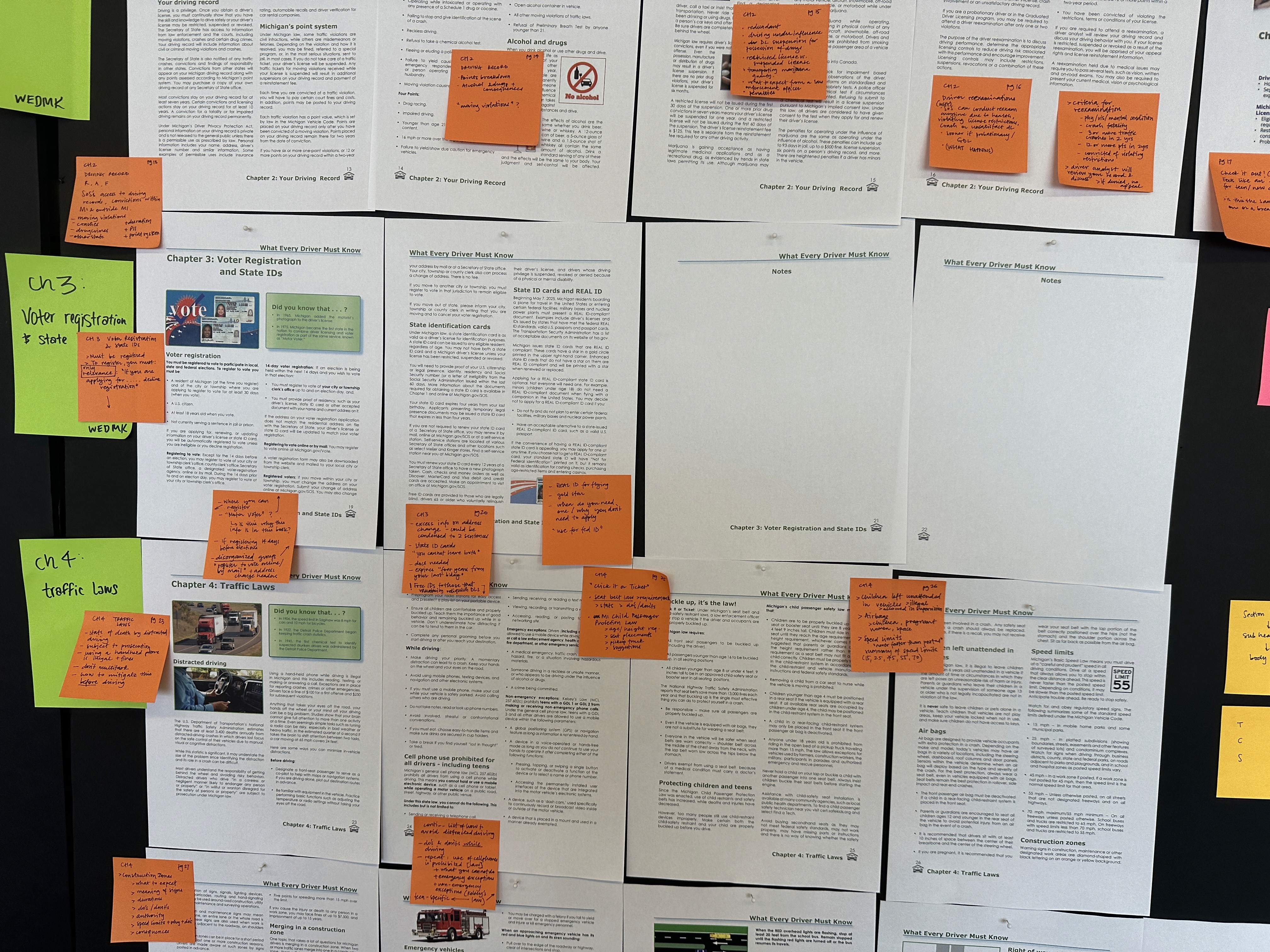
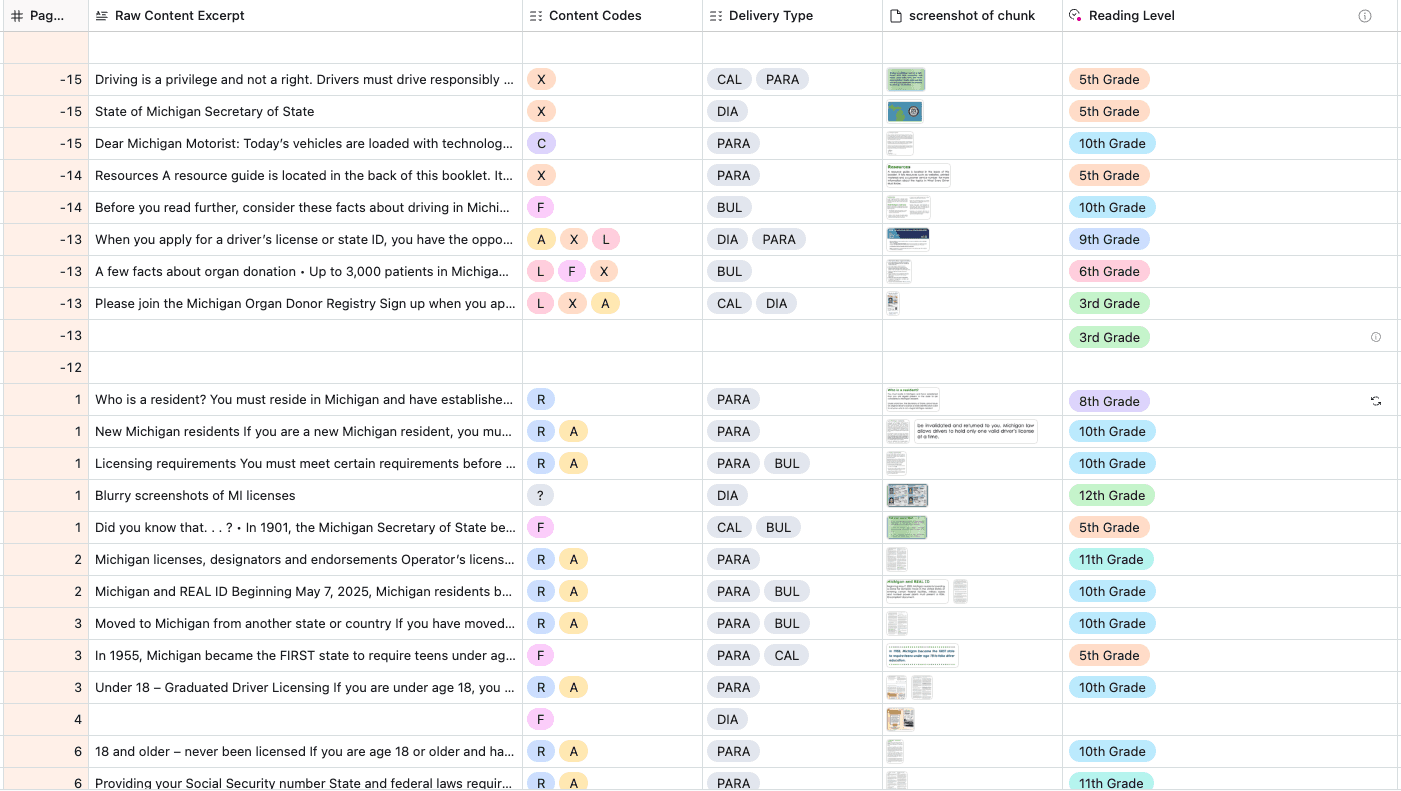
Before looking for solutions, our team did a thorough content audit to understand what already existed. We broke down over 150 pages from the three publications into smaller parts and labeled each one by its purpose, such as:
Rules and laws
Driving skills and techniques
Safety warnings
Administrative steps
General contextual information
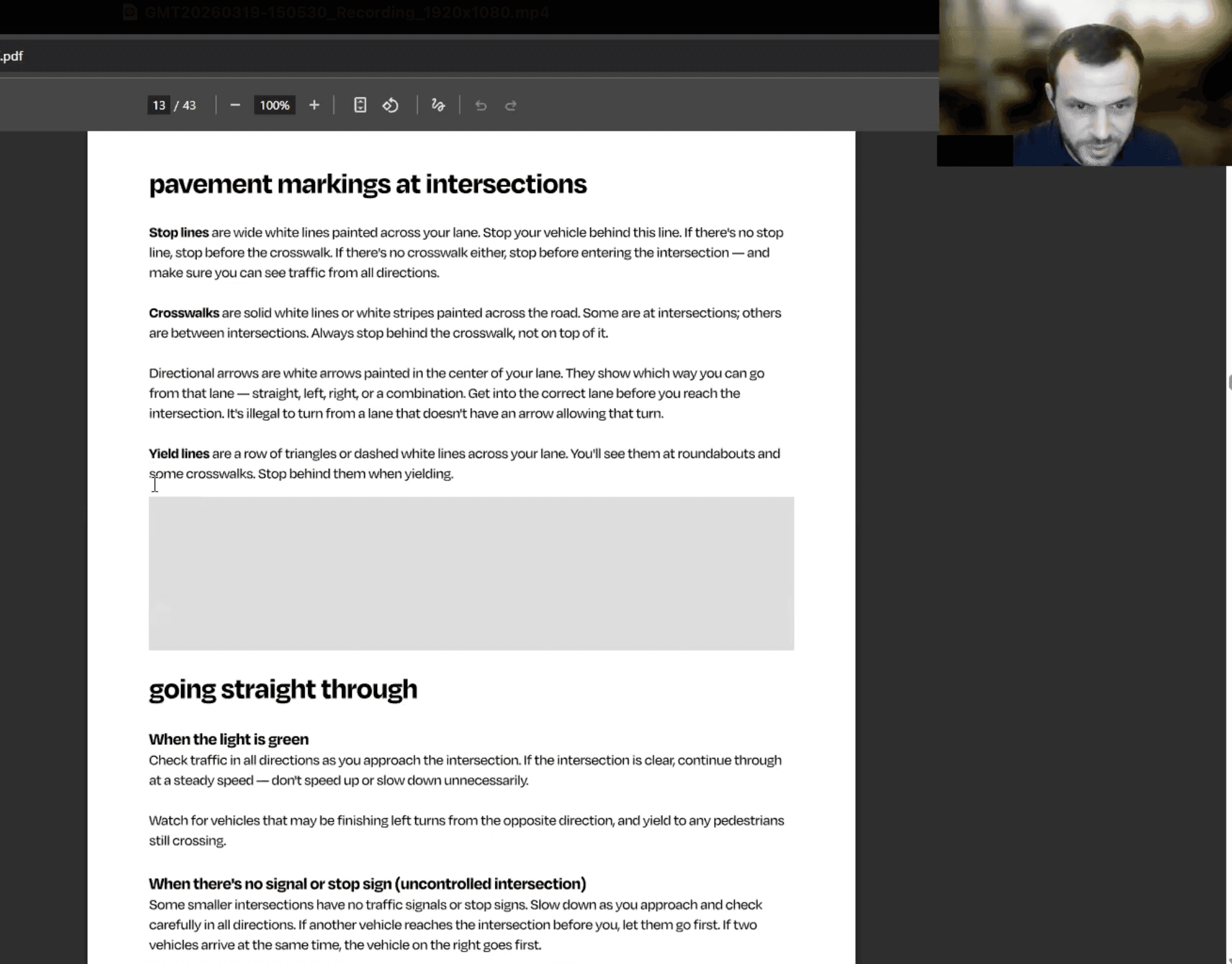
We also looked at how the information was shown, such as long paragraphs, bullet lists, diagrams, charts, and images. This helped us see how the format affected how easy the materials were to use.
This audit revealed:
Significant duplication across publications.
Misalignment and inconsistencies in terminology and guidance.
Outdated or incomplete information in key areas.
Dense, text-heavy formats that hindered comprehension.
The main goal of this phase was not to start redesigning right away. Instead, we wanted to build a shared understanding with MDOS stakeholders and make sure everyone was on the same page before developing solutions.
Discovery research
Before starting the design, we did discovery research to learn how people in Michigan experience driver education and where the current system causes confusion. Our goal was to base the redesign on real user needs and make sure the final guide would help learners, parents, and providers through the licensing process.
Research approach
We used a mix of qualitative methods to capture both user and system perspectives:
Interviews: We conducted in-depth interviews withInterviews: We spoke in depth with teen and adult learners, parents, driver’s education providers, and MDOS staff. These talks helped us see how people used the current publications, what problems they faced, and what information they needed most to feel confident with the licensing process.ucation providers and learners interacting with the materials in real-world learning environments. This allowed us to identify natural behaviors, workarounds, and moments of confusion that may not have surfaced through interviews alone.
Best Practice Review: To add to what we learned from users, we looked at other driver education and public information systems. This helped us find good ways to design content and support learning that could guide our redesign.
Participant groups
The research intentionally included a diverse set of stakeholders who interact with driver education materials in different ways:
Driver’s Education Providers – Subject matter experts who teach the content and understand what learners need to succeed.
Students (Teens and Adults) – The primary audience preparing for written and road tests.
Parents – Key partners in the Graduated Driver Licensing (GDL) process who support and supervise new drivers.
MDOS Staff – Internal stakeholders responsible for maintaining and governing the publications.
Sprint-Based Process
We organized the discovery phase into focused research sprints. This helped us dig deep into each area while keeping the project moving forward.
Providers & Adult Learners – Initial interviews and observations provided insight into instructional needs and real-world use of the publications.
Teens & Parents – Additional interviews captured the experiences of those navigating the licensing journey firsthand.
Synthesis & Midpoint Review – Findings were synthesized into key insights and design directives, which were shared with MDOS stakeholders during a midpoint review to align on the path forward.
Who we met
Taylor - the driver's ed provider
Context: Rural instructor supporting diverse learners.
Needs: Clear, concise materials to supplement teaching and answer common student questions.
Pain Points: Inconsistent information across publications and difficulty guiding parents.
Opportunity: A single, authoritative resource that aligns with classroom instruction.
"It just needs to be clear. You're dealing with a whole state of people with a variety of needs and backgrounds. Navigating through the process, a lot of the questions that we get…would have been answered if things were easier to find."

Manny - the teen leaner
Context: Excited but inexperienced driver preparing for independence.
Needs: Visual, engaging, and easy-to-understand content.
Pain Points: Confusing terminology and dense text.
Opportunity: Visual diagrams and simplified language to support comprehension.
"Enchroachments? What the heck is that word? I don't know how to say that!"

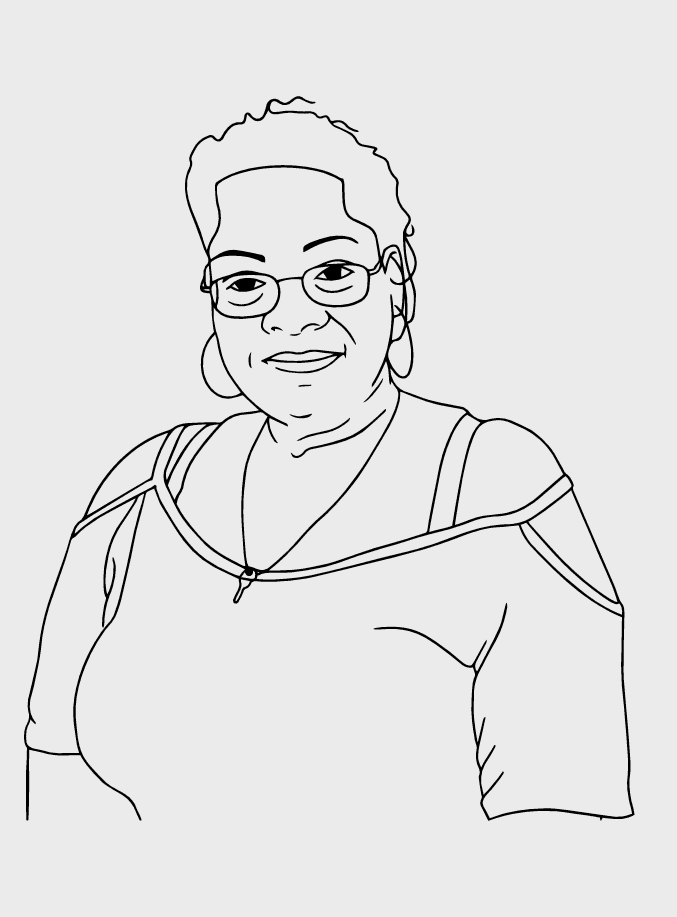
Bonnie - the parent
Context: Managing logistics and supporting a teen’s learning journey.
Needs: Clear guidance on responsibilities within the Graduated Driver Licensing system.
Pain Points: Overly verbose materials and lack of actionable next steps.
Opportunity: Step-by-step guidance and clear timelines.
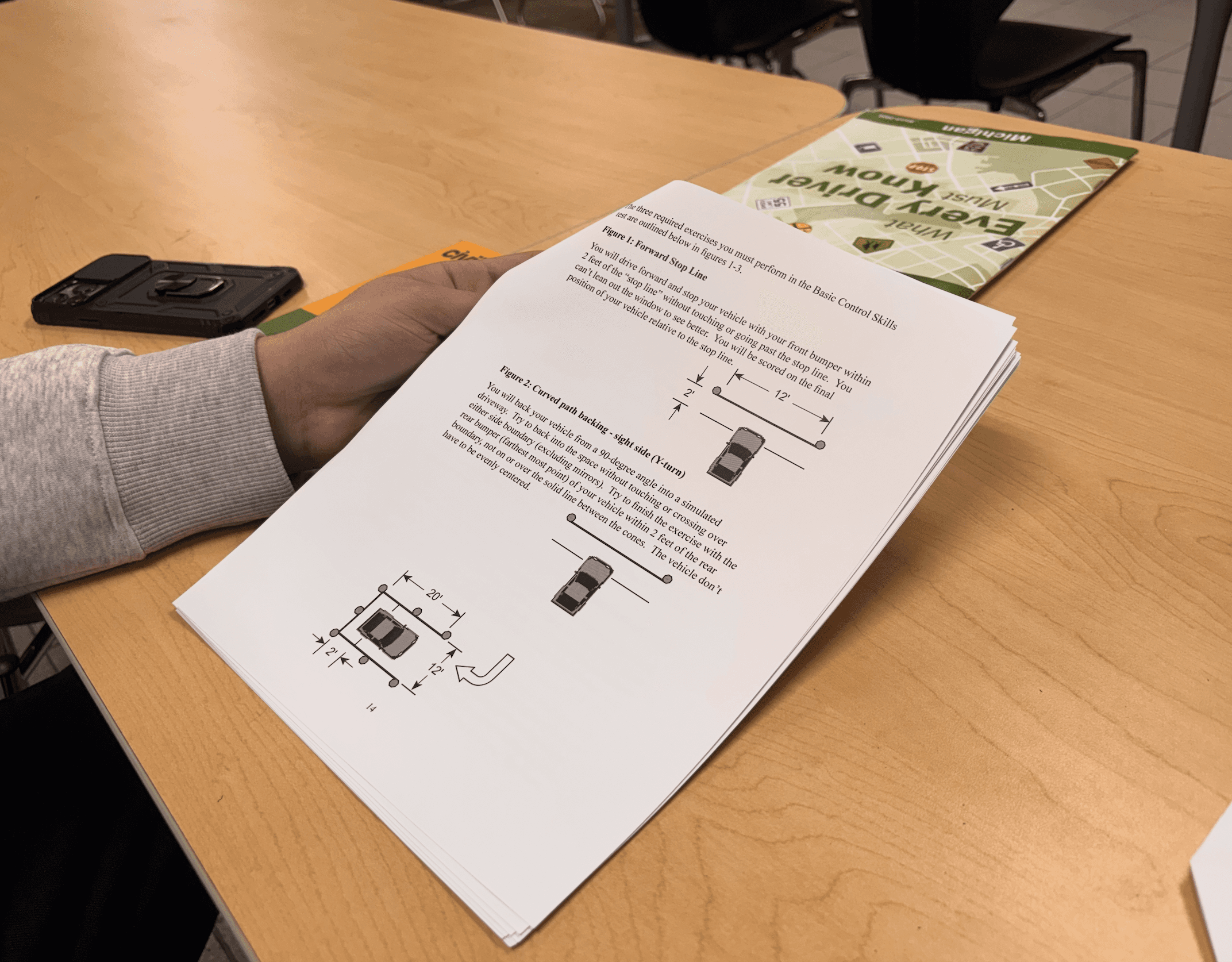
"The guides are literally like thesis papers. They're 30+ pages long, very verbose, just words upon words upon words. In fact, I was looking at one again last week, and literally there are only five images in that whole book."
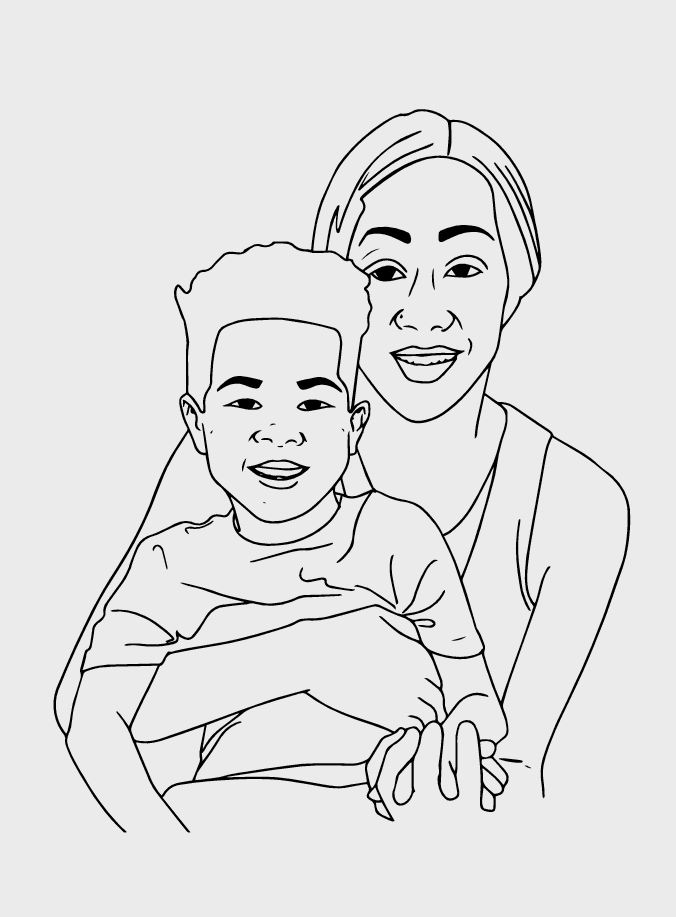
Katelyn - the adult learner
Context: Returning to driving with anxiety and limited time.
Needs: Practical, confidence-building resources.
Pain Points: Difficulty translating written instructions into real-world driving scenarios.
Opportunity: Real-life examples and visual learning aids.
“Why are there so many arrows? Where are they going? I would say the arrows are the most confusing part. The description needs to change too. I had to read the entire page to understand what the description was trying to depict.”
Insights from discovery
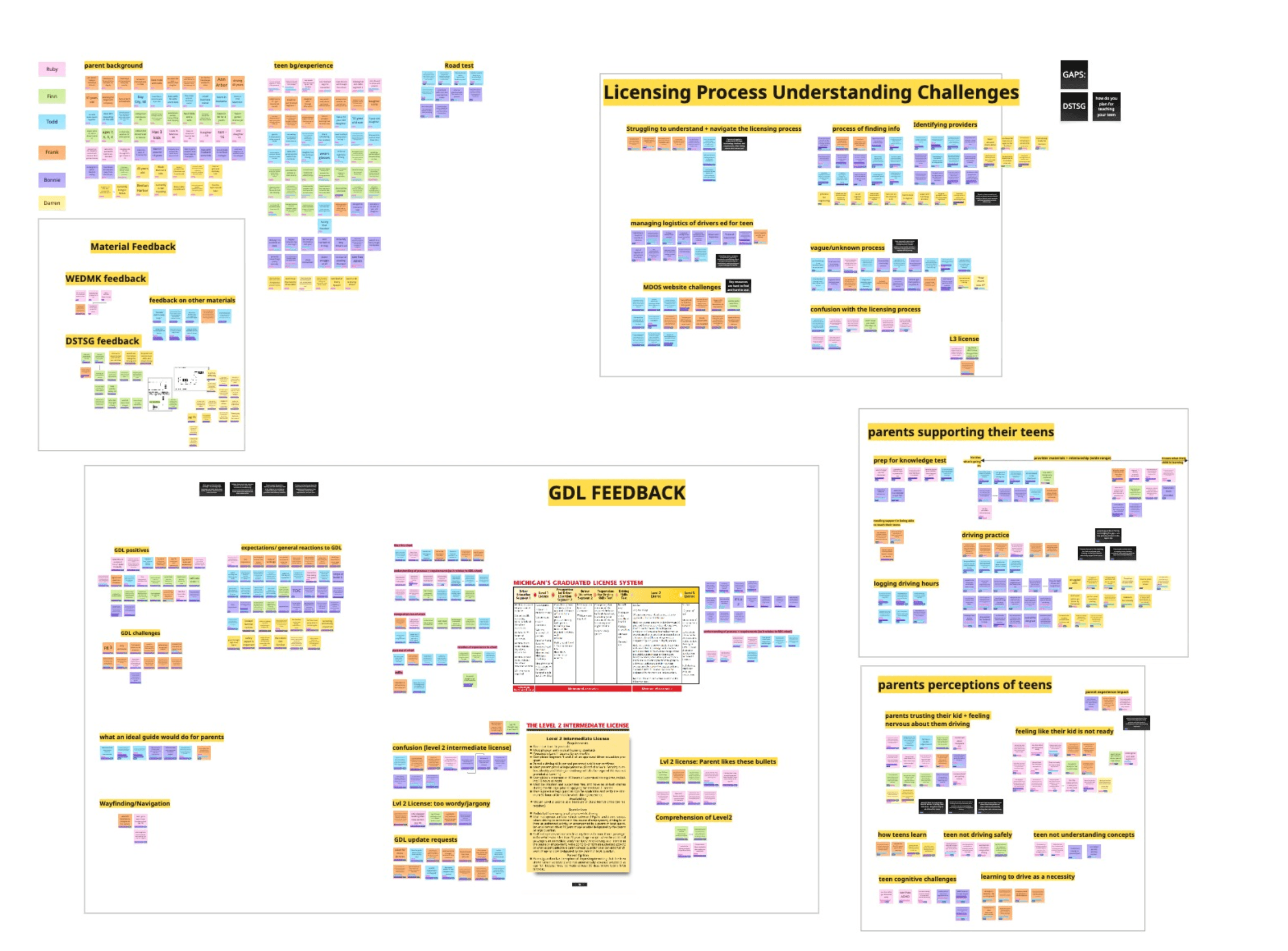
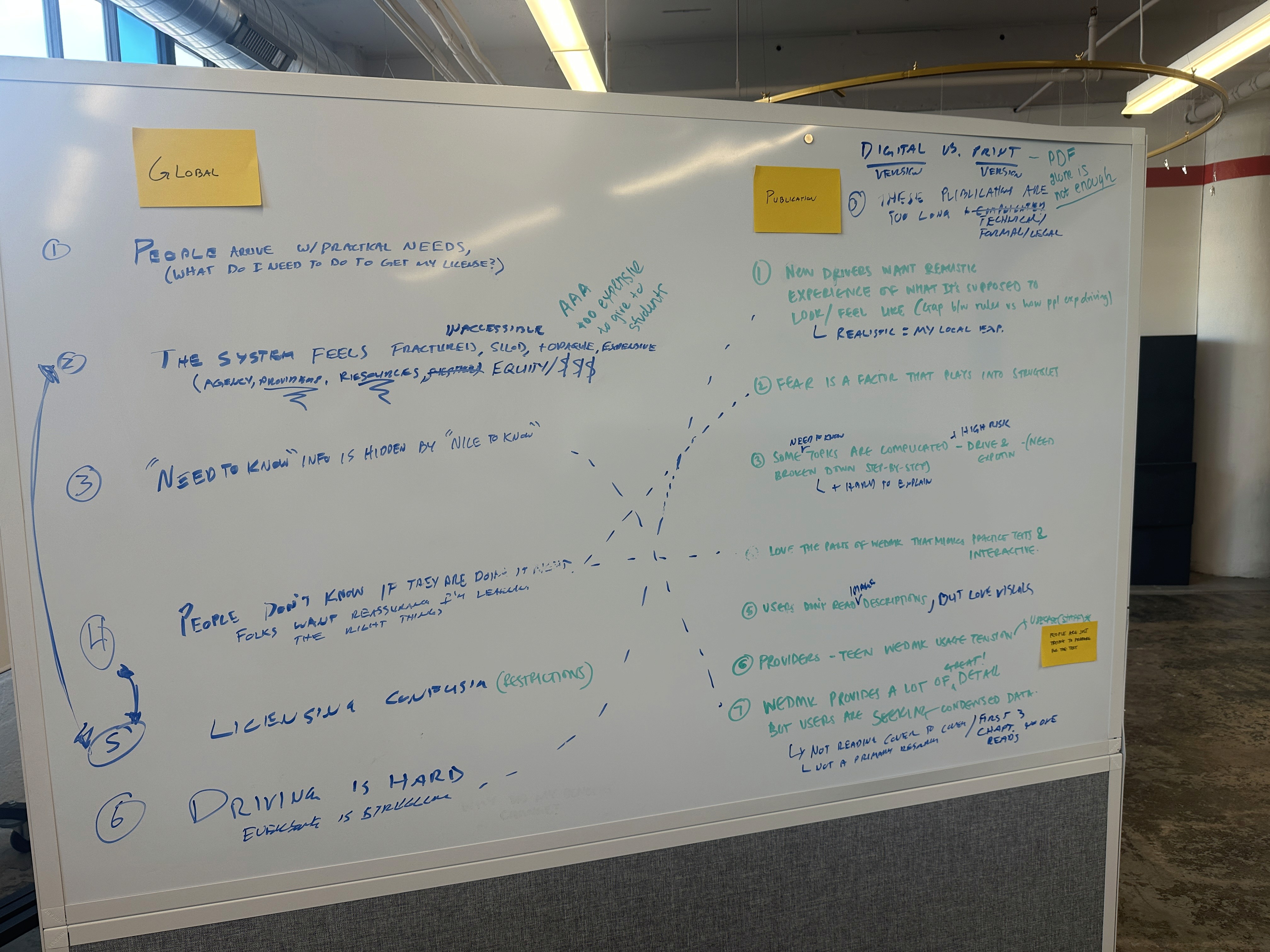
The midpoint review synthesized research into several foundational insights that guided the redesign:
Driving Is Genuinely Hard to Learn
Learners require time, practice, and contextual understanding to build confidence behind the wheel. Educational materials must support this gradual learning process rather than simply presenting rules.
Navigating Without a Map
Many drivers struggle to understand the licensing journey and often rely on word-of-mouth, social media, or online searches to piece together the process.
150 Pages, No Way to Tell What Matters
The sheer volume of content makes it difficult for users to identify the most critical information, leading many to abandon the publications altogether.
Eyes on the Prize
Learners prioritize information that helps them pass the written and road tests, rather than engaging with the broader educational content.
These insights, along with what we found in the content audit, showed that we needed to make the information clearer, focus on what matters most, and create a single learning path.
User testing and interation
User testing was key to making sure the new guide was clear, easy to use, and truly helpful for everyone learning to drive in Michigan. Over three rounds, we tested the guide’s structure, how clear the content was, and how well visuals helped learning. We kept improving the design based on what participants told us.
Objectives
The testing program was designed to answer key questions, including:
How easily users could navigate and understand the guide’s structure.
Whether the content clearly communicated essential driving knowledge and next steps.
How effectively visuals and diagrams supported comprehension of complex driving maneuvers.
Participants
To reflect the real-world ecosystem of driver education, we engaged a diverse set of participants:
Primary users: Teen drivers and adult learners preparing for written or road tests.
Secondary users: Parents supervising practice driving and driver education providers.
We made sure to include people from different parts of the state, both rural and urban areas, ESL learners, and those who needed special accommodations or retesting.
Testing Approach
Round 1 – Structure & Navigation
Prototype: Low-fidelity structural model of the guide.
Method: Moderated virtual think-aloud usability sessions.
Participants: 6 users across primary and secondary groups.
Focus: Evaluating the organization of sections, navigation, and users’ ability to locate key information.
Key Insights
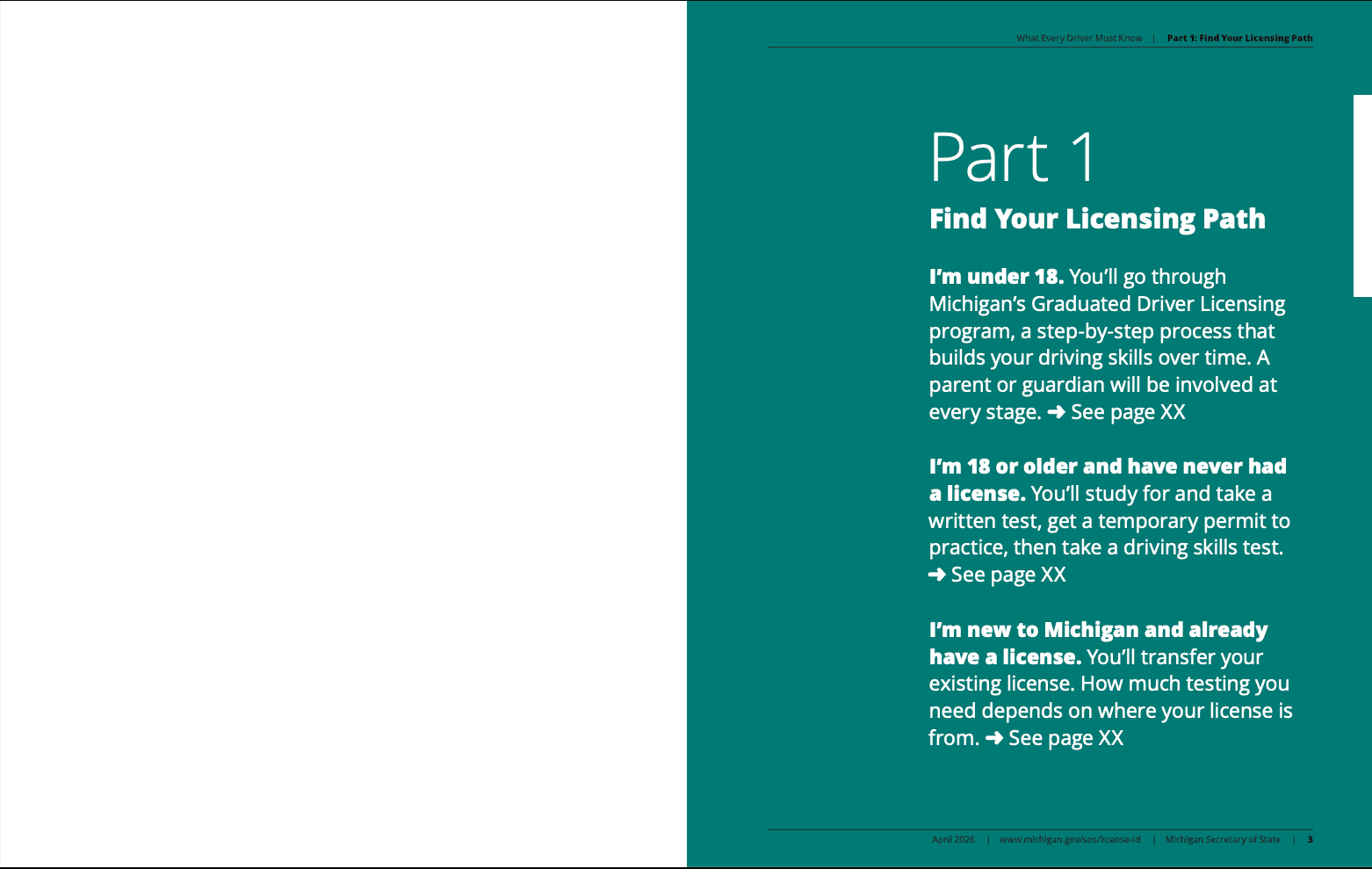
The 'licensing path' visual made it easy for users to see where they were in the process and what steps came next.
Participants valued a clear starting point, reducing reliance on external sources like websites or word-of-mouth.
Users expected critical logistical infUsers wanted to find important details, like which documents they needed and key timelines, right at the start of the guide.ology and the placement of certain sections, prompting refinements to the information architecture.
Round 2 – Content Clarity & Comprehension
Prototype: Medium-fidelity pages featuring rewritten plain-language content.
Method: Unmoderated remote usability testing with 15–20 participants, supplemented by asynchronous co-design sessions with 8–10 driver education providers.
Focus: Assessing comprehension, usefulness, and tone of the revised content.
Key Insights
Using plain language made it much easier for people to understand the material. It also made the guide more approachable and useful.
Participants liked having clear, step-by-step instructions that told them exactly what to do, instead of lots of background details.
Providers emphasized the importance of alignment with classroom instruction and the inclusion of practical teaching aids.
Users said they wanted all resources in one place, like links or QR codes to help them find driver education providers and testing sites.
Round 3 – Visual Learning & Final Design
Prototype: High-fidelity, near-final layouts with diagrams and illustrations.
Method: In-person moderated usability sessions with 6–8 participants, complemented by staff feedback on the full publication.
Focus: Evaluating how visual elements supported understanding of complex driving concepts.
Key Insights
Visual diagrams, like licensing flowcharts and illustrations of driving maneuvers, made it much easier for users to understand and remember the information.
Participants said the guide was easy to scan and navigate. They used the table of contents and visual cues to quickly find what they needed.
Providers said they could easily use the visual references in their teaching, which helped reinforce learning in the classroom.
We used feedback to improve the typography, layout, and where important information was placed.
Provider Co-Design
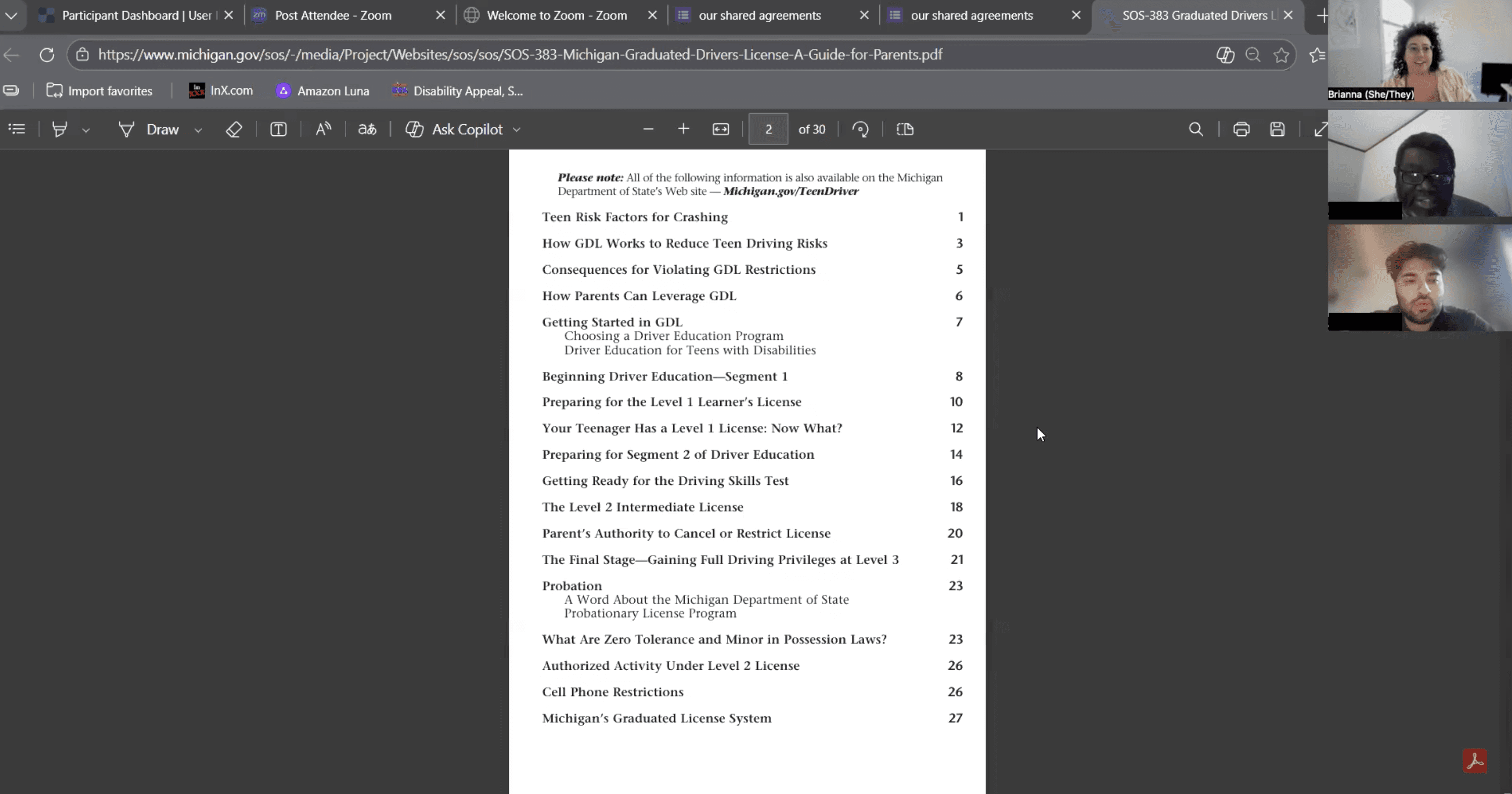
Driver’s education providers are experts at turning complex driving maneuvers into clear lessons. We worked with them in a virtual co-design session, where they showed their teaching methods using simple shapes and arrows. Providers also tested the prototype in their classrooms.
Cross-Round Themes
Theme | Insight | Design Response | |
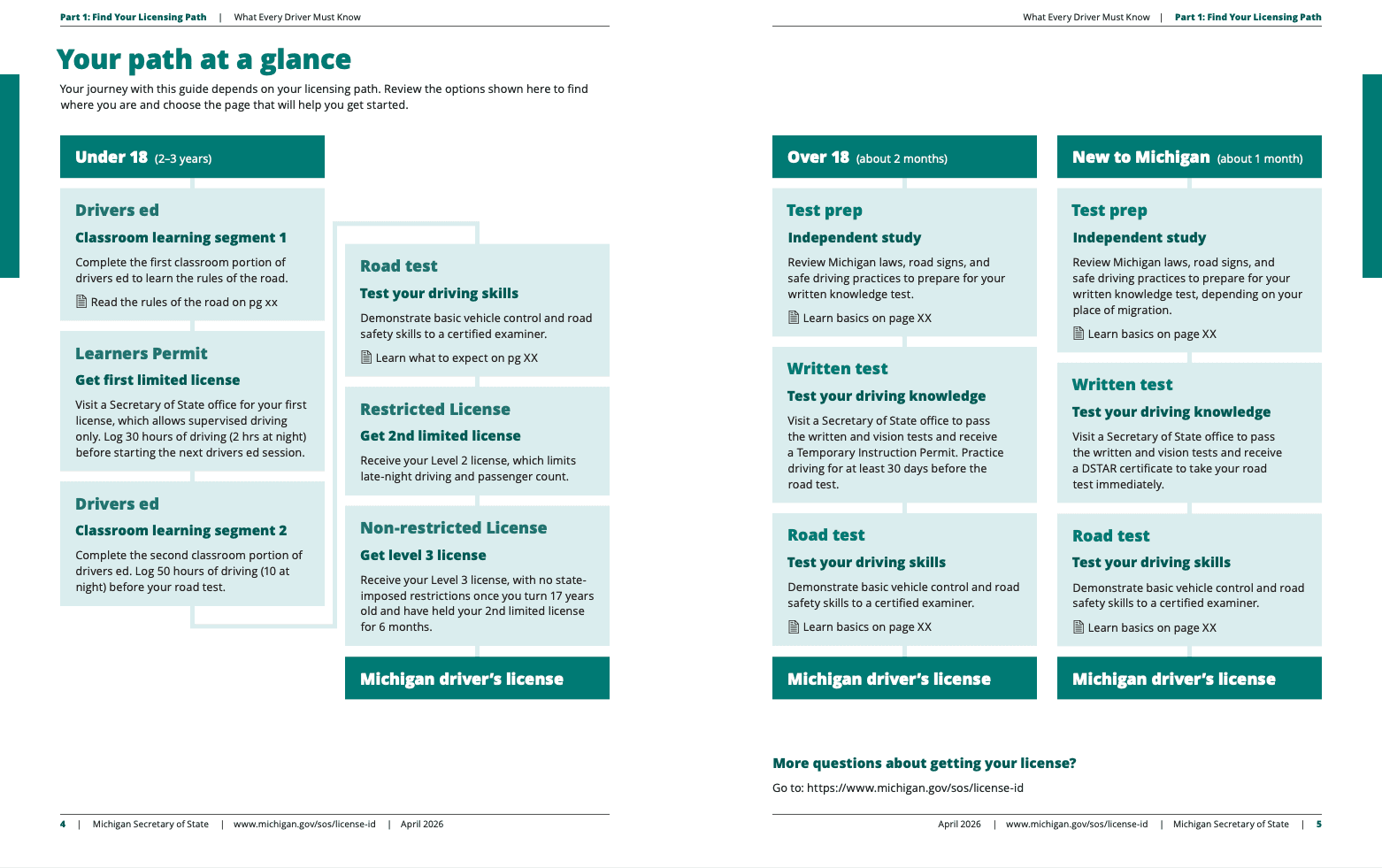
Clarity of Process | Users struggled to understand the licensing journey prior to the redesign. | Introduced a visual “path at a glance” and clearer step-by-step guidance. | |
Findability of Information | Participants needed quick access to logistical details like required documents. | Reorganized information architecture and added consolidated checklists. | |
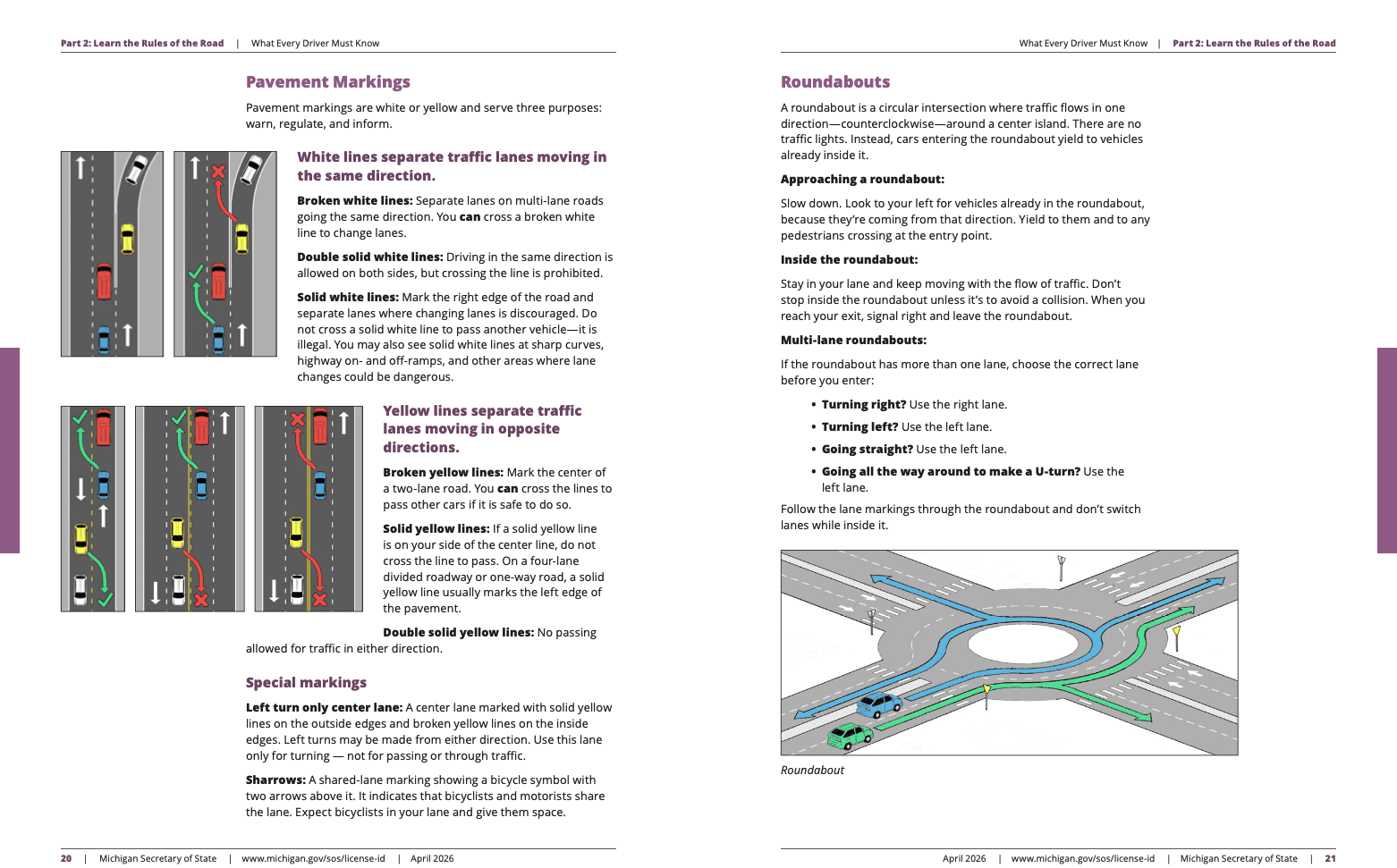
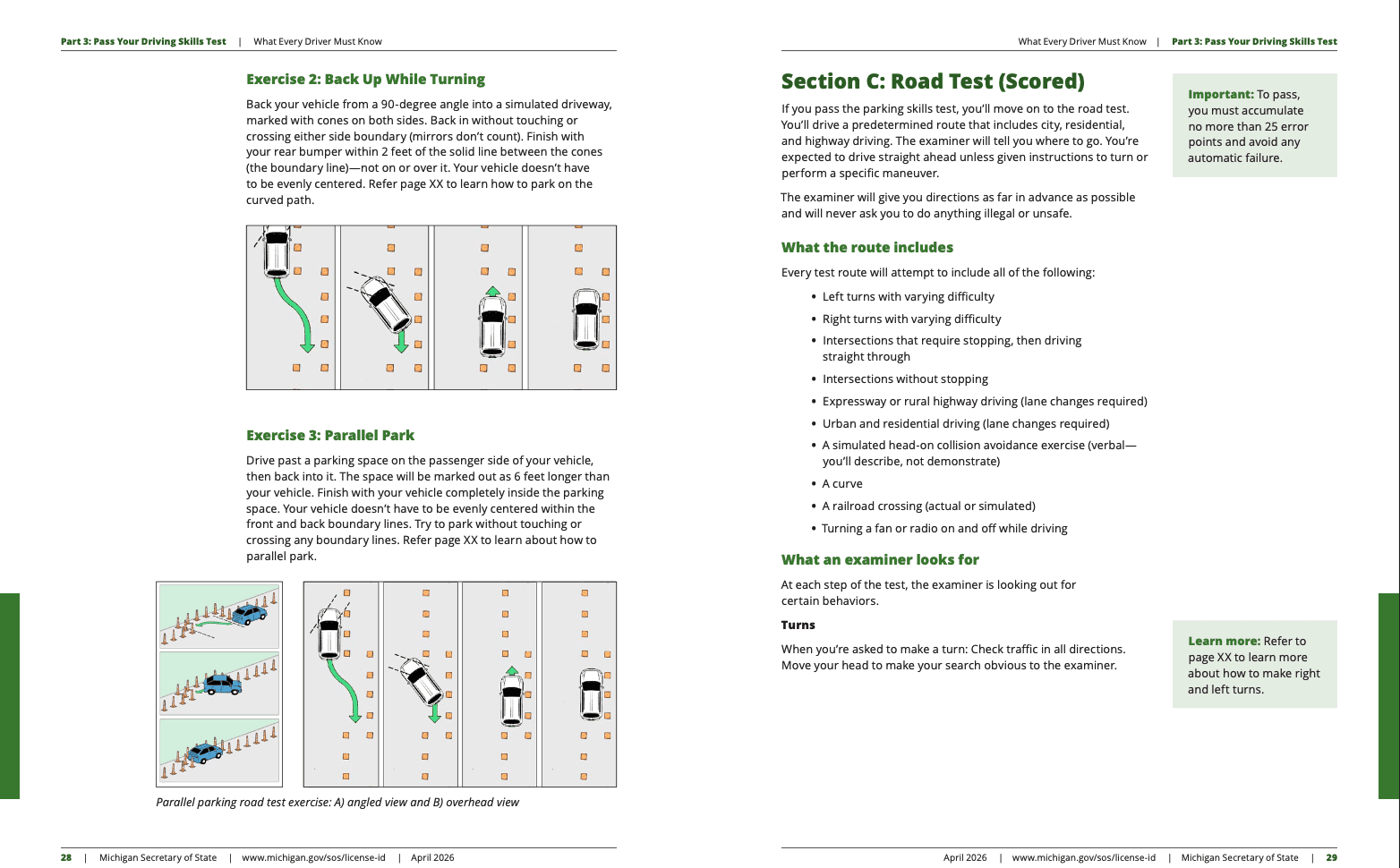
Visual Learning | Diagrams significantly improved comprehension of complex maneuvers. | Adopted a visual-first design approach across the guide. | |
Provider Integration | Instructors wanted materials aligned with their teaching practices. | Ensured consistency with driver education curricula and added teaching-friendly visuals. | |
Action-Oriented Content | Users prioritized practical instructions over historical or contextual information. | Emphasized concise, actionable language throughout the publication. |
Measured Impact
User testing showed that the redesigned guide worked well:
Comprehension improved from 2/5 to 5/5 across iterative testing rounds.
Participants consistently rated the guide as clear, easy to navigate, and actionable.
The final design did a better job of supporting different learning styles, including people who learn visually and those who are not native English speakers.
Designing the solution
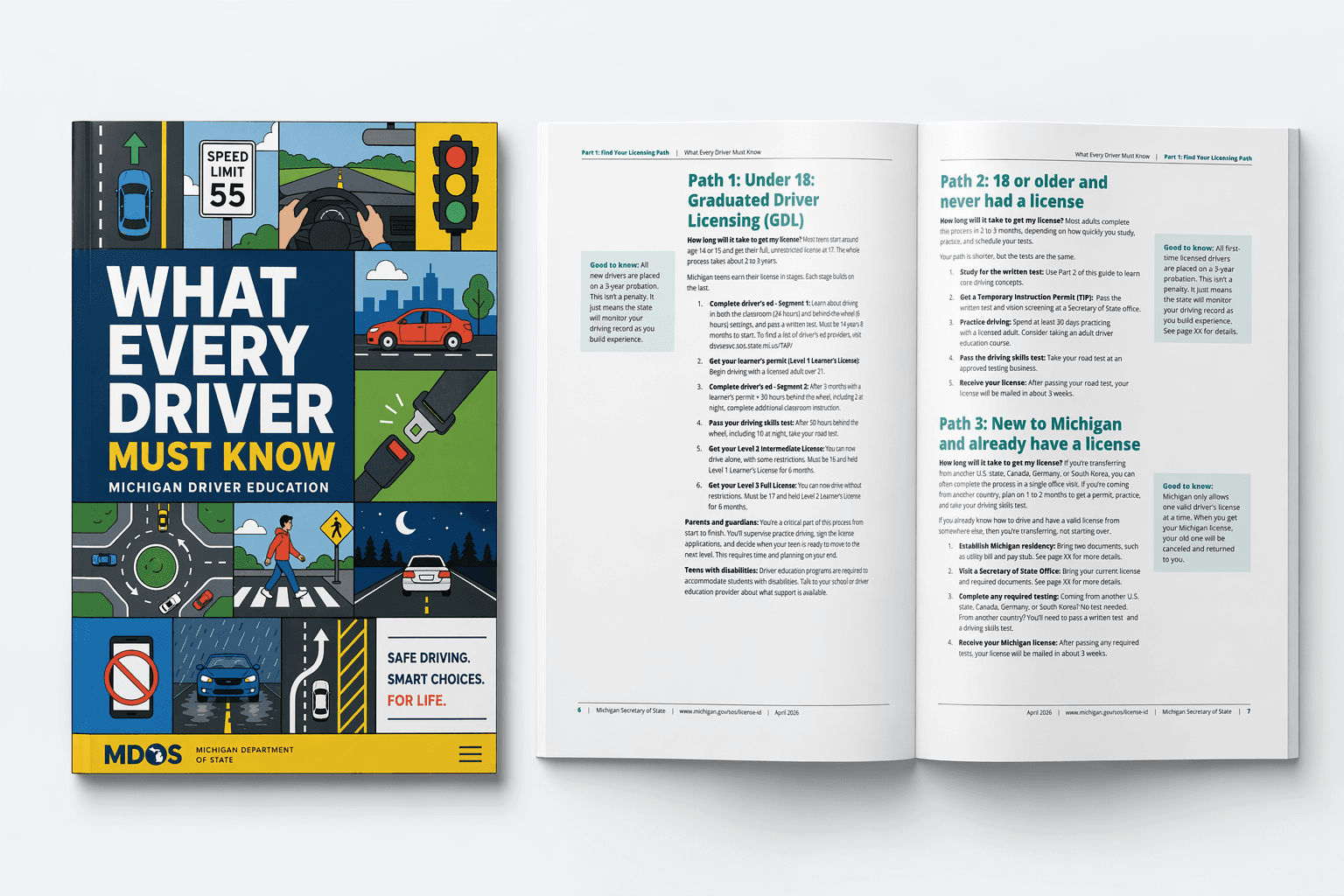
A unified driver education guide
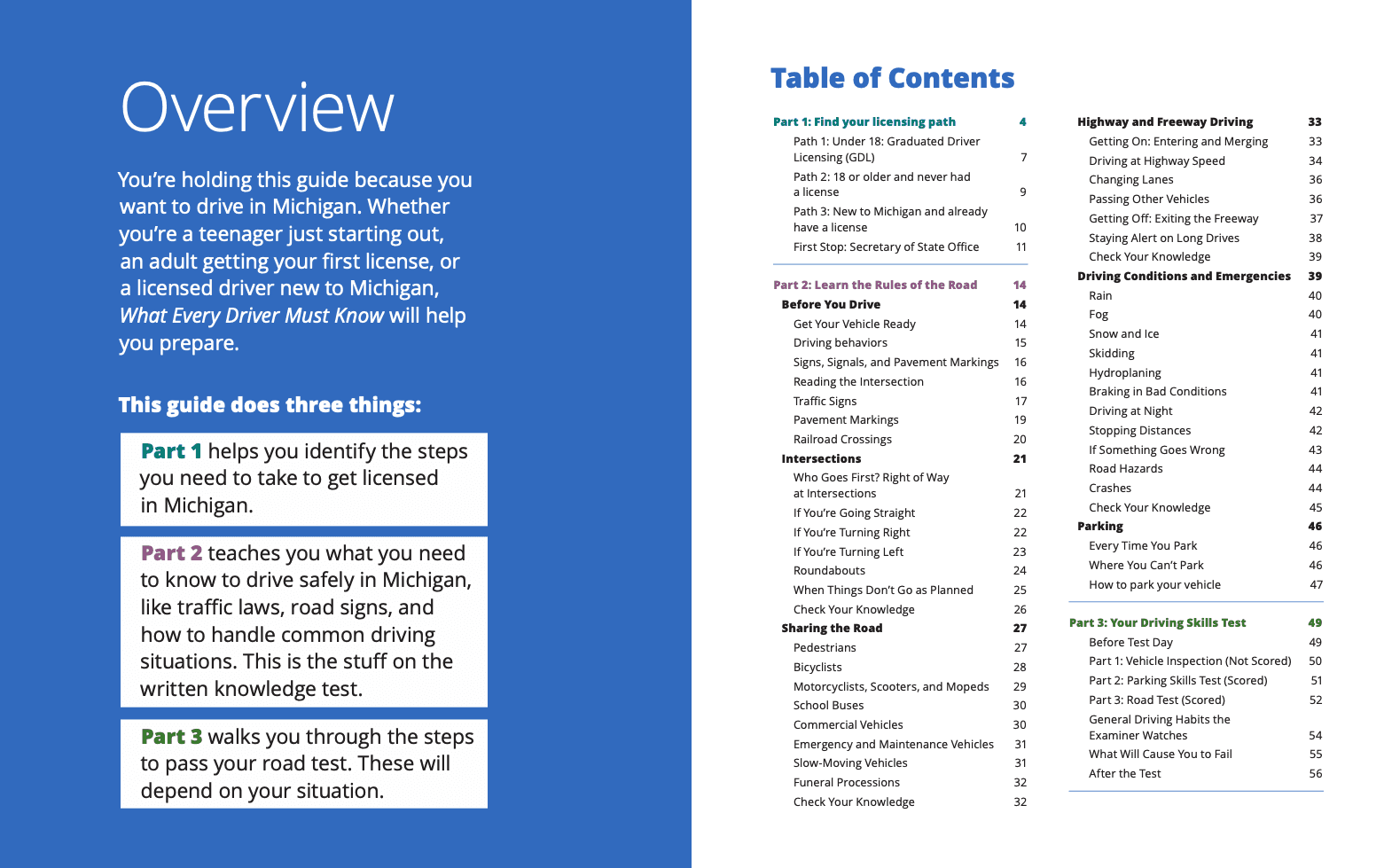
With input from research and stakeholders, we combined the three publications into one clear guide that matches the driver’s journey. At the start, users pick where they are in the process: under 18 getting a license for the first time, over 18 getting a license for the first time, or over 18 and previously licensed in another state or country. From there, they can go straight to the information that matters to them.elevant to them.
Design directives
Visual-First: Show it before you say it. Diagrams, illustrations, and step-by-step visuals should do the heavy lifting.
Concise: Cut everything that doesn’t earn its place.
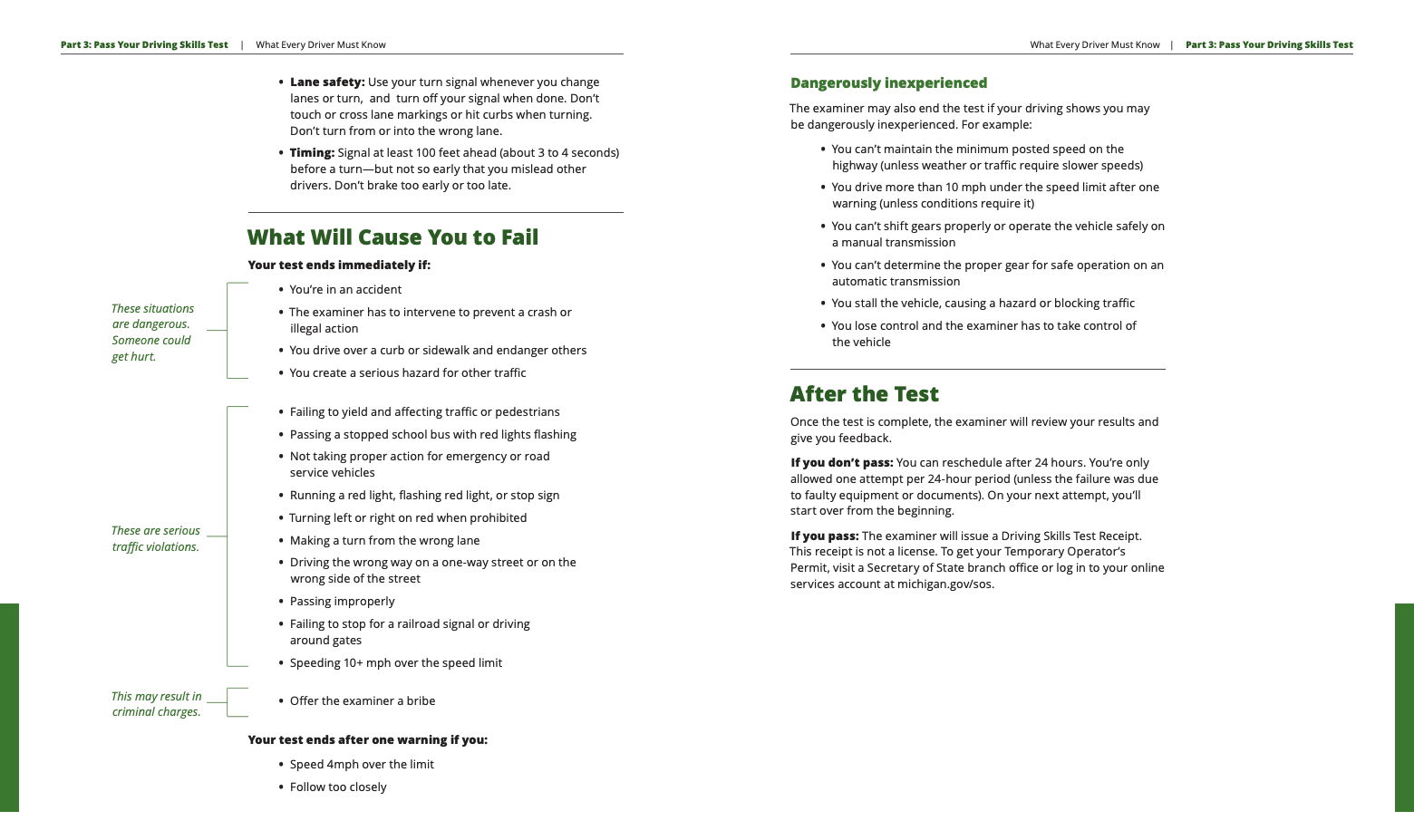
Clear Direction: Structure content so learners never feel lost. At every step, they should know where they are in the process, what matters most, and what comes next.
Key features
Streamlined information architecture aligned to the licensing process
Consistent terminology and tone
Visual diagrams and step-by-step guidance
Clearly defined roles for parents and learners
Integration of the most critical content from all three publications
Accessibility & equity
Accessibility was central to the redesign, ensuring the guide could serve Michigan’s diverse population.
Translated into 8 languages to increase accessibility for non-English speakers.
5th-grade reading level to support comprehension across literacy levels.
WCAG-compliant design aligned with government accessibility standards.
Inclusive language and culturally considerate visuals.
Governance & implementation
To ensure sustainability beyond the design phase, we developed a governance framework that included:
Defined roles and responsibilities across MDOS teams
Standardized content review and approval workflows
Maintenance and update guidelines
Cross-agency collaboration processes
A statewide implementation roadmap was also delivered, addressing printing, translation, staff training, communications, and evaluation.
Outcomes and impact
Quantitative impact
Metric | Result |
Publications Consolidated | 3 → 1 |
Page Reduction | 153 → ~60 (61% decrease) |
Comprehension Rating | 2/5 → 5/5 |
Languages Supported | 8 |
Reading Level | 5th Grade |
Accessibility | WCAG-compliant |
Implementation | Begins May 2026 |
Qualitative impact
Learners feel more confident navigating the licensing process.
Parents better understand their role in supporting new drivers.
Providers gain a consistent and effective teaching resource.
MDOS now has a sustainable governance model for maintaining publications.